

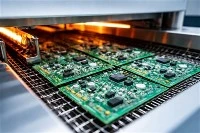



The Evolution of PCBA Technology
The journey of PCBA technology dates back to the mid-20th century when the first printed circuit boards were created. Over time, these boards evolved from simple designs to highly sophisticated, multi-layered structures capable of accommodating complex circuits. Early PCBAs were hand-soldered, which required a significant amount of time and human effort. However, with the advent of automated manufacturing processes, production speed and precision drastically improved.
In the past few years, the pace of innovation in the PCBA industry has accelerated. New technologies such as advanced materials, 3D printing, and automation have significantly enhanced the capabilities of PCBA manufacturers. These advancements are addressing several key challenges in electronics manufacturing, including miniaturization, increased performance, and cost reduction.
Key Innovations Driving Change in PCBA
Advanced Materials and Surface Finishes
Another major innovation in PCBA manufacturing is the development of advanced materials. Traditional PCBs were primarily made from fiberglass, but with the rise of high-speed and high-frequency electronics, new materials are now being used to meet the demands of next-generation devices. Materials such as polyimide and ceramic are increasingly being utilized because they offer superior performance at higher temperatures and frequencies.
Surface finishes on PCBAs have also evolved to improve the durability and performance of the boards. The introduction of lead-free soldering and other environmentally friendly materials has been critical in meeting stricter environmental regulations. These new surface finishes not only enhance the performance of the board but also improve its reliability, which is especially important for industries such as automotive and medical technology.
Automation and Smart Manufacturing
Automation has been a game-changer for the PCBA industry. From automated soldering machines to robotic arms that place components onto the boards, automation has revolutionized the way PCBAs are produced. These technologies allow for greater precision and consistency in the manufacturing process, reducing the likelihood of defects and improving overall product quality.
Smart manufacturing, powered by the Internet of Things (IoT) and artificial intelligence (AI), is taking automation to the next level. Sensors embedded in manufacturing equipment can collect real-time data, allowing for predictive maintenance and better control over the production process. AI algorithms can analyze this data to identify inefficiencies, optimize production schedules, and ensure the highest quality standards are met.
Sustainability and Eco-Friendly Practices
As with many other industries, sustainability has become a major focus in the PCBA sector. Electronics manufacturers are under increasing pressure to reduce their environmental impact, and the PCBA industry is no exception. The shift to lead-free soldering, as well as the development of recyclable materials for circuit boards, has played a major role in making PCBA manufacturing more sustainable.
Moreover, there is a growing emphasis on reducing waste during the production process. Innovations such as reflow soldering, which reduces the need for excessive solder, and more efficient waste management systems are helping to minimize the environmental footprint of PCBA manufacturing.
The Future of PCBA Technology
Looking ahead, the future of PCBA technology is full of potential. As consumer electronics continue to evolve, the demand for more advanced, compact, and energy-efficient devices will only increase. This will drive further innovations in PCBA materials, manufacturing processes, and design techniques.
Furthermore, the integration of emerging technologies such as artificial intelligence and 5G into electronics will require even more advanced PCBAs. The industry will need to adapt to accommodate the growing complexity of these devices while ensuring that they remain reliable and cost-effective.
In conclusion, the PCBA industry is undergoing a transformation driven by technological advancements. From miniaturization to 3D printing and automation, these innovations are not only enhancing the capabilities of PCBAs but also shaping the future of the electronics industry. As technology continues to advance, it will be exciting to see how PCBA manufacturers continue to push the boundaries of what's possible, driving the next wave of innovation in consumer electronics, automotive technology, and beyond.


