


Products Description
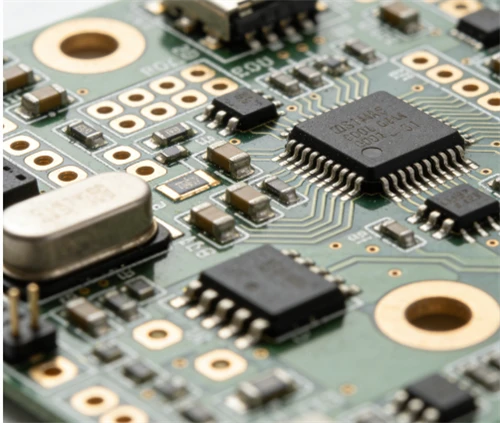
PCBA For Ventilator adopts medical-grade components to match strict safety and stability standards of respiratory treatment devices. The circuit board realizes precise air pressure regulation, real-time sensor signal acquisition, data transmission and stable power drive for ventilator core modules. Built-in multi-layer protection circuits cover overcurrent, overvoltage, short-circuit and overtemperature lockout to prevent abnormal shutdown during continuous clinical use. Optimized anti-electromagnetic interference layout guarantees accurate signal output amid complex hospital electrical environments. Customizable parameters include board dimension, control logic, communication ports and power ratings to fit bedside hospital ventilators and portable breathing machines. All finished boards undergo full functional aging testing before delivery to maintain uniform quality for medical OEM and bulk manufacturing orders.
Manufacturing Process
Strict medical-grade manufacturing standards govern the full production flow of ventilator control circuit boards. Complete DFM analysis and stringent component screening are carried out before production to eliminate hidden risks for medical equipment. Precision stencil printing controls even solder paste distribution before high-speed SMT equipment accurately places medical ICs, pressure sensors and power modules. Reflow soldering locks stable SMD solder joints, and selective soldering processes all high-current through-hole connectors. AOI detects offset components and soldering flaws, while X-ray scanning inspects concealed BGA connections. Conformal coating enhances moisture and dust resistance for hospital environments. Each finished board passes ICT, signal calibration and extended aging tests to confirm steady pressure regulation and strong anti-interference performance, sustaining consistent batch quality for ventilator OEM mass orders.
How It Works
Sensor modules on the circuit board capture real-time airflow and pressure data from ventilator pipelines and convert analog signals into digital signals for main chip processing. The core IC calculates breathing parameters and outputs control signals to drive air valves and fan motors, adjusting gas delivery volume and pressure to match patients' breathing rhythms. Built-in power management units provide stable, filtered voltage to all electronic modules and activate multi-level protection circuits once overcurrent, overheating or voltage anomalies are detected. Communication interfaces transmit operational data to display panels and upper monitoring systems for real-time parameter visualization. Customizable signal sampling logic adapts to invasive and non-invasive ventilator structures to deliver precise, safe respiratory control in clinical scenarios.


Our Service
We deliver full-cycle technical support covering all ventilator circuit board development and manufacturing phases. Our engineering team completes DFM analysis, component matching and PCB layout optimization to lower medical product development risks. Prototyping, lab testing and small-batch trial runs are available for clients to verify signal precision and safety performance before mass placement. Standardized SMT, inspection and aging procedures guarantee stable batch consistency for medical OEM orders. Customization covers board size, signal acquisition channels, power specifications and protection thresholds for portable and hospital ventilator models. We provide detailed test records, quality certificates and real-time production updates throughout manufacturing to simplify clients' procurement and quality control management.
FAQ
Q1: What makes PCBA For Ventilator different from standard electronic boards?
A: PCBA For Ventilator requires higher reliability, stable signal processing, and precise power management compared with general electronic assemblies. These boards are designed to support critical functions such as airflow control, motor drive, sensor monitoring, alarm systems, and user interfaces. Our manufacturing process focuses on component accuracy, electrical performance, and long-term operational stability to meet the demanding requirements of medical equipment applications.
Q2: How do you ensure the reliability of PCBA For Ventilator?
A: Reliability is achieved through strict manufacturing control, including incoming material inspection, automated optical inspection (AOI), solder paste inspection (SPI), functional testing, and traceability management. We also provide DFM analysis before production to identify potential risks related to thermal performance, component placement, solder joints, and manufacturability.
Q3: What key functions can a ventilator PCBA support?
A: A ventilator PCBA can integrate multiple control functions, including respiratory parameter monitoring, sensor data acquisition, motor control, display communication, and safety alarm management. Through optimized circuit design and reliable assembly processes, the board helps ensure accurate control of airflow pressure, oxygen concentration, and patient breathing parameters.
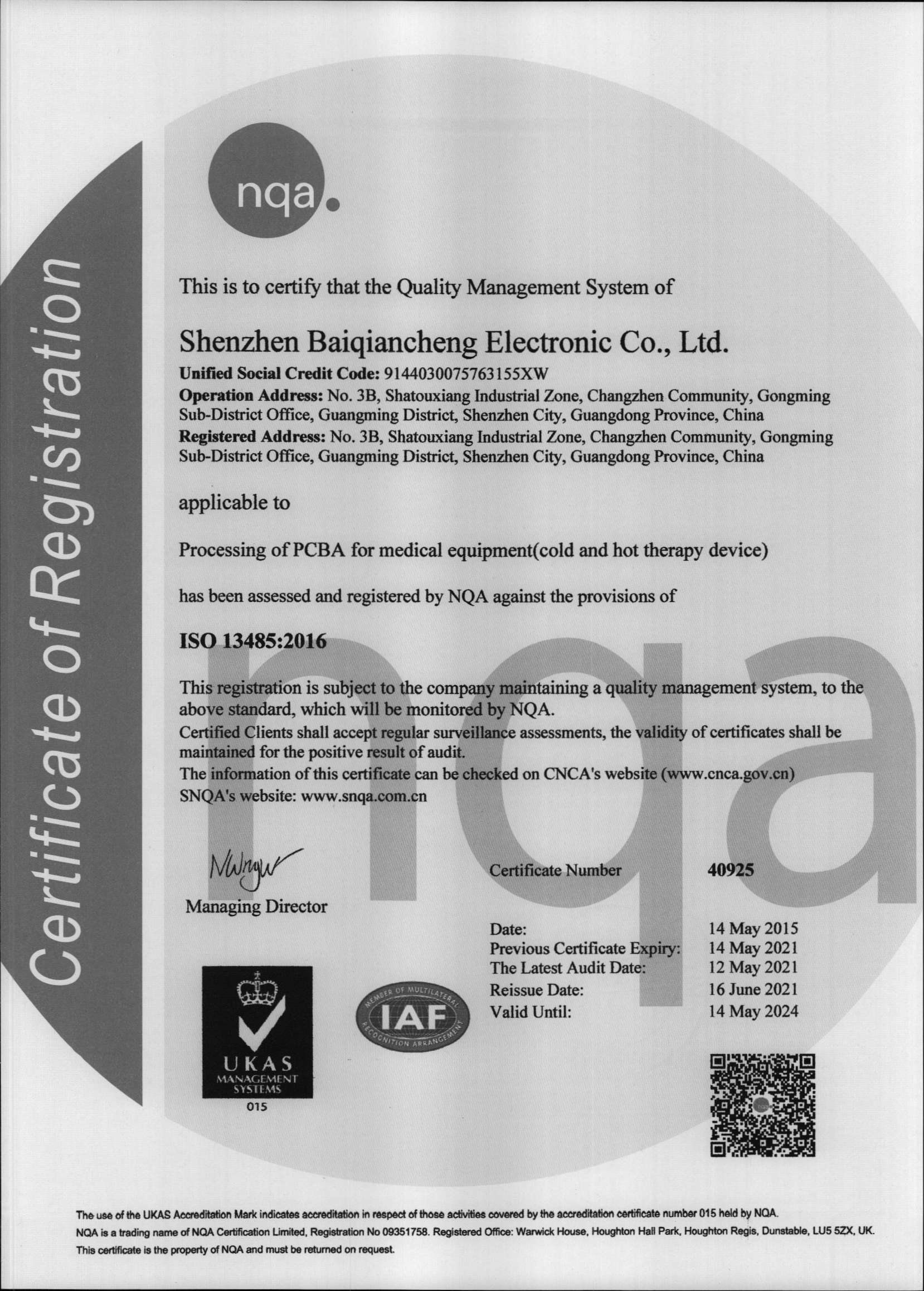
Our Certifications



Hot Tags: PCBA For Ventilator, China, manufacturers, factory, customized, PCBA for Commercial Ventilation, Pcb Board Assembly, PCBA Manufacturer, Doorbell PCBA Assembly, Intelligent Control Products Pcba, ventilation systems PCBA


