


The CNC control system PCBA is built for deterministic, high-speed machining control across milling, turning, and mill-turn platforms. An FPGA-based motion engine generates pulse and direction signals in hardware while closing each axis position loop at 1 kHz, keeping path accuracy stable during simultaneous multi-axis interpolation. Dual-channel encoder inputs are compared continuously, and any deviation beyond threshold triggers an immediate feed-hold and alarm to protect workpiece and tooling. The board supports high-resolution analog and digital feedback, spindle orientation control, and rigid tapping with synchronized feed and spindle timing. Onboard PLC logic and tool-management profiles are stored as separate configurations, allowing machine builders to switch between mill, lathe, and mill-turn behavior without hardware changes. Industrial communication interfaces cover EtherCAT, Modbus, and CANopen, with hardware timestamping that holds synchronization jitter below 1 μs. Wide-temperature components, conformal coating, and robust EMC filtering maintain reliability in shop-floor environments exposed to coolant mist, metal chips, and electrical noise. Watchdog supervision and a hardware safe-stop circuit bring axes to a controlled halt within one control cycle if the motion bus fails. Compact form factor and standardized connectors simplify integration into both new machine designs and retrofit projects


The production process starts with automated SMT placement of fine-pitch components and BGA devices onto high-Tg FR-4 substrates, followed by multi-zone reflow soldering under nitrogen atmosphere to achieve consistent solder joint formation. Solder paste deposition is controlled through 3D SPI, and stencil parameters are monitored in real time to prevent print defects before placement. Automated optical inspection and X-ray verification then screen for placement errors, bridging, and hidden voids beneath BGA and QFN packages. In-circuit testing validates electrical continuity, component values, and boundary-scan coverage, while flying-probe testing checks prototype and low-volume builds. Functional testing applies simulated motion commands, encoder feedback, and communication stress to confirm deterministic performance before shipment. Conformal coating is applied by selective spraying to protect against coolant mist and metal dust, and each unit undergoes burn-in under elevated temperature. Serialized barcode tracking maintains traceability across every station, from incoming material to final packing. Process engineers monitor yield data continuously and drive corrective actions through a closed-loop system to keep quality stable across high-mix production runs.
Quality control for this machine control board relies on layered inspection and full serialized traceability. Incoming components pass supplier qualification and lot-level verification, with solder paste volume and stencil alignment monitored in real time during printing. 3D SPI, automated optical inspection, and X-ray verify fine-pitch and BGA assemblies, while in-circuit and boundary-scan testing confirm electrical integrity. Functional testing exercises multi-axis interpolation, encoder feedback comparison, and fieldbus communication under simulated machining loads before release. Reliability screening includes thermal cycling, vibration, and burn-in sampling on every production lot. Each unit carries a serial number tracked from incoming material through final packing, enabling rapid root-cause analysis if a field issue appears. The line supports high-mix, low-to-medium volume production with fast changeover between configurations, and mature process control sustains stable monthly output in the tens of thousands of boards. Standard lead time is four to six weeks from design freeze, with expedited scheduling for prototype and ramp-up builds. Dedicated process engineers and a closed-loop corrective action system keep yield consistent and response times short.
Q: How does the CNC control system PCBA maintain deterministic motion accuracy when running complex multi-axis interpolation?
A: A dedicated FPGA handles pulse generation and encoder feedback in hardware, freeing the main processor for path planning. Each axis channel runs its own position loop at 1 kHz, so accuracy stays stable even during simultaneous five-axis machining.
Q: What protects machining integrity if spindle feedback or position data becomes corrupted?
A: Dual-channel encoder inputs are compared in real time, and any discrepancy beyond a set threshold triggers an immediate feed-hold and alarm. Watchdog supervision on the motion bus prevents stale commands from reaching the drives.
Q: Can one board support both milling and turning machines with different tool-change logic?
A: Tool-management and PLC logic are stored as separate configuration profiles, letting machine builders switch between mill, lathe, and mill-turn behavior without hardware changes. This shortens commissioning and reduces the number of board variants a builder must stock.
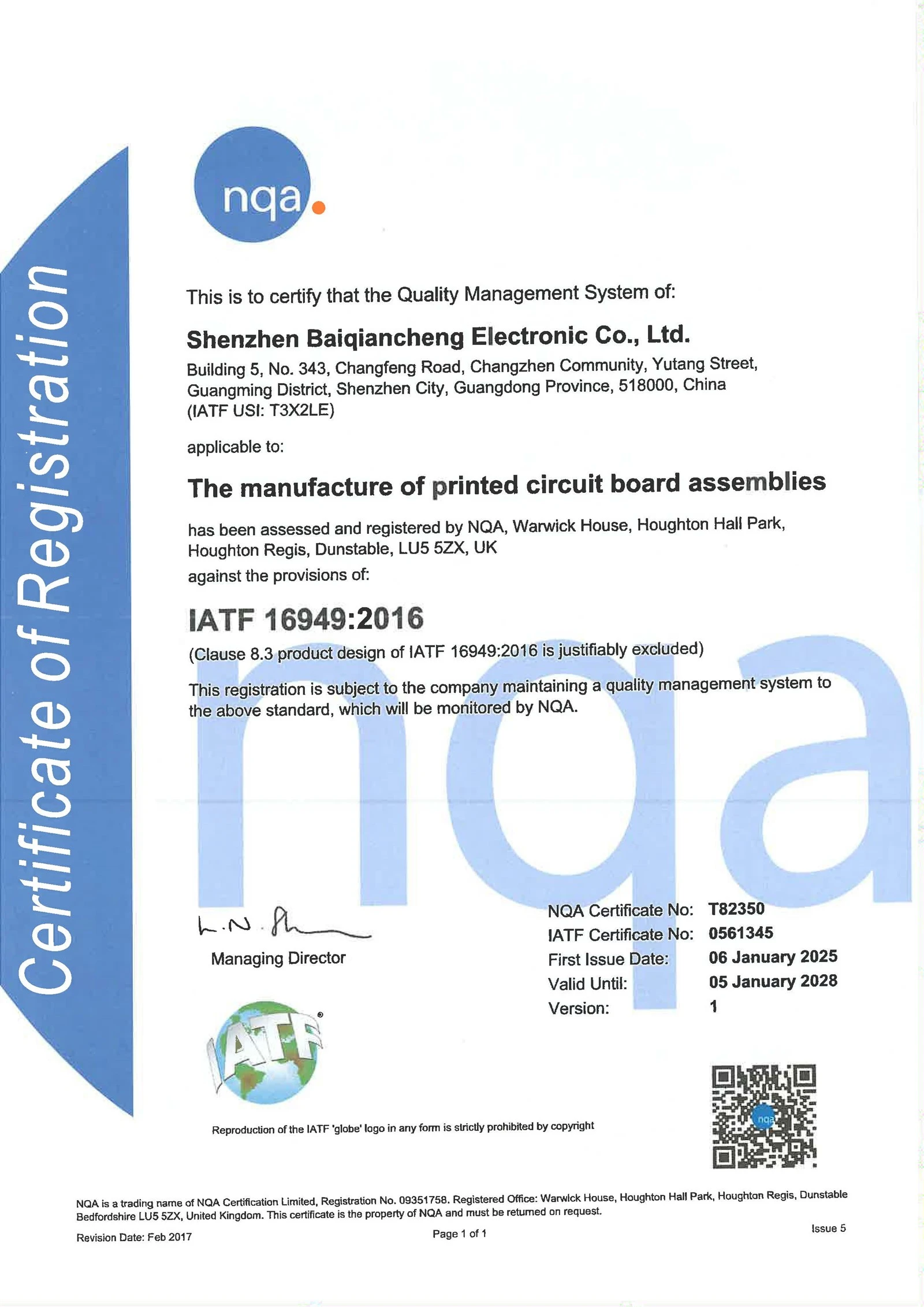
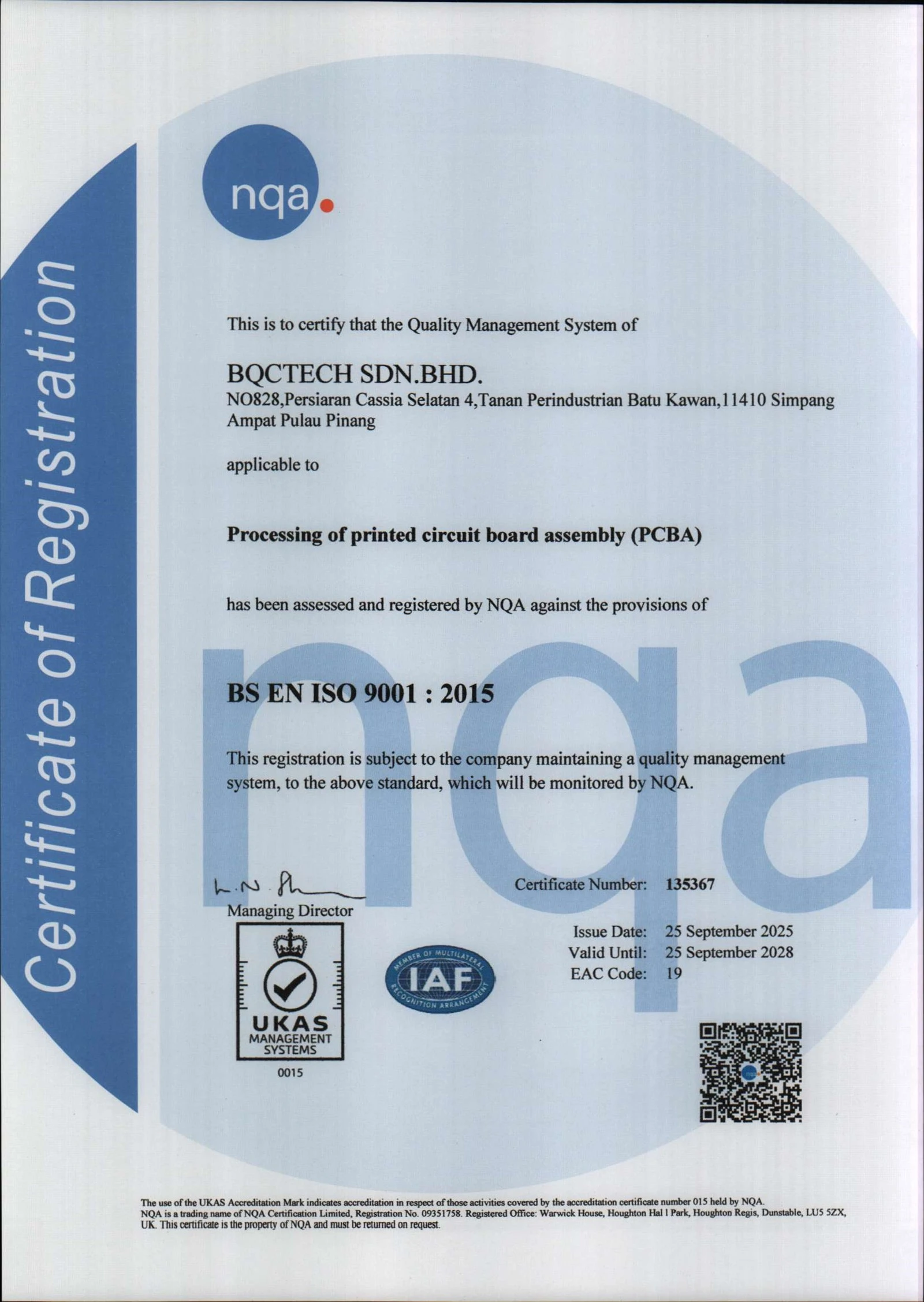
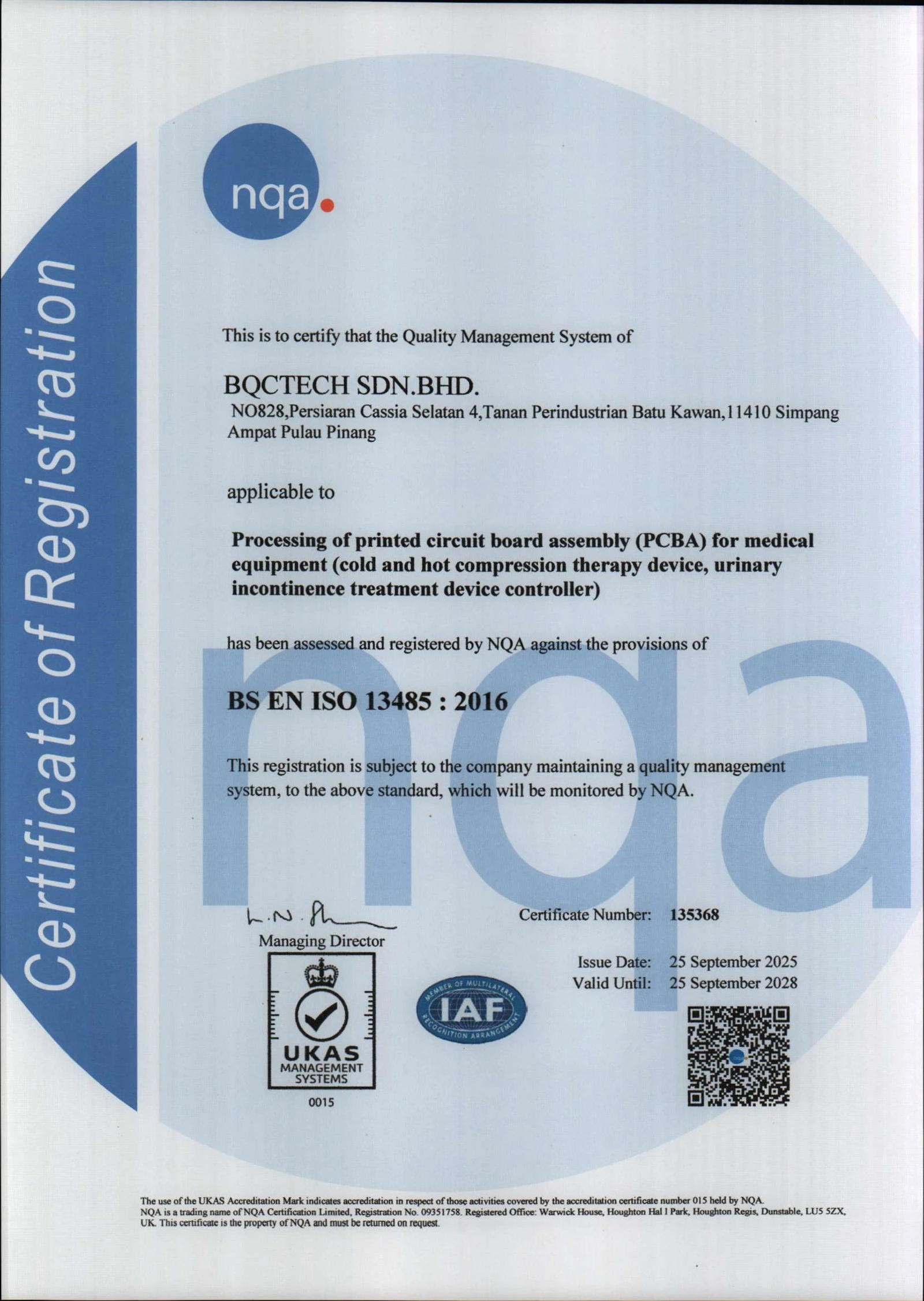
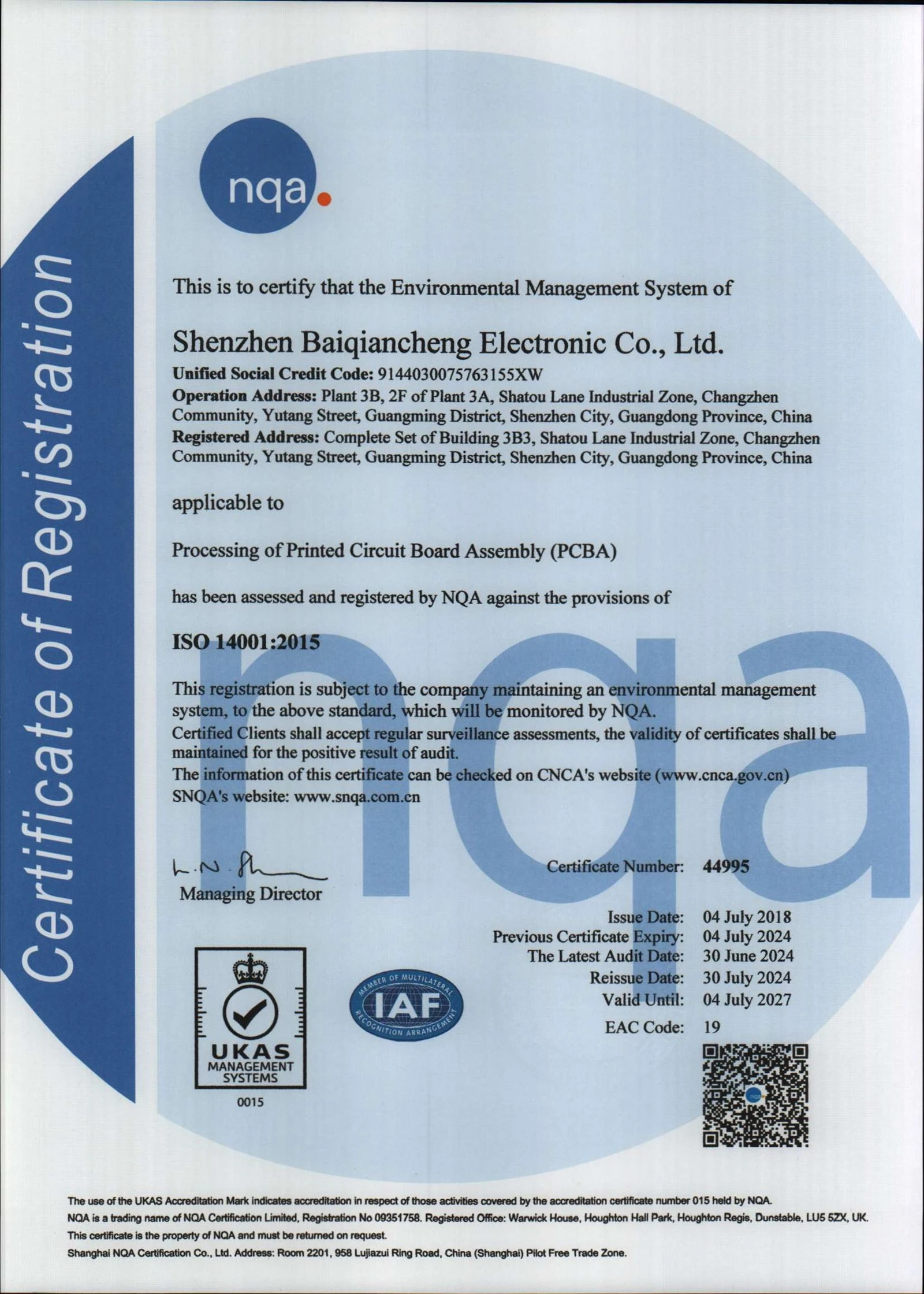
As one of the most professional cnc control system pcba manufacturers in China, our factory also supports customized service. Welcome to wholesale the best cnc control system pcba for sale here.
(0/10)

