

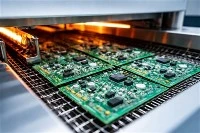



As the electronics industry demands higher reliability and longer-lasting products, manufacturers are turning to PCB (Printed Circuit Board) and PCBA (Printed Circuit Board Assembly) lifecycle prediction analysis tools. These tools help predict the lifespan of PCBs and PCBAs by analyzing factors such as material properties, environmental stresses, and electrical conditions.
How They Work:
Using simulation models and failure analysis, these tools predict how components will degrade over time under various conditions like temperature changes, humidity, and mechanical stress. This allows manufacturers to identify potential weaknesses, such as solder joint fatigue or material degradation, before they cause failures.
Benefits:
Improved Reliability: Identifies potential issues early, reducing the risk of field failures and enhancing product durability.
Cost Reduction: Helps optimize designs to minimize rework, warranty claims, and maintenance costs.
Faster Time-to-Market: Speeds up the development process by quickly testing multiple design iterations.
Sustainability: Reduces e-waste by extending product lifespan and minimizing repairs or replacements.
In the future, AI and machine learning will further enhance the accuracy and adaptability of these tools, driving innovation in the electronics industry. Overall, lifecycle prediction tools are crucial for improving product quality and manufacturing efficiency.


