

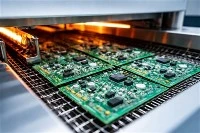



Component Misalignment and Its Impact on PCBA Functionality
In printed circuit board assembly (PCBA), precise component placement is critical. Even minor misalignments can lead to functional failures, reduced reliability, and increased manufacturing costs. This article explores the causes, effects, and solutions for component misalignment in modern electronics.
What Causes Component Misalignment?
Several factors contribute to misaligned components during PCBA manufacturing:
•Solder Paste Issues – Uneven deposition or poor stencil printing can cause parts to shift during reflow.
•Pick-and-Place Machine Errors – Calibration drift or nozzle wear leads to inaccurate placement.
•Thermal Stress – Uneven heating in reflow ovens may induce movement before solder solidifies.
•Vibration & Handling – Mechanical shocks during transport or testing can displace components.
Common Functional Problems
Misalignment doesn't just look bad-it can cause serious operational issues:
•Electrical Shorts – Components touching unintended traces or pads.
•Open Circuits – Poor solder contact due to skewed placement.
•Thermal Hotspots – Misaligned power components may overheat.
•Mechanical Stress – Bent leads or cracked solder joints under mechanical load.
Detection and Prevention Methods
Modern electronics manufacturing employs multiple safeguards:
1.Automated Optical Inspection (AOI) – Cameras verify component position post-reflow.
2.Solder Paste Inspection (SPI) – Ensures proper paste deposition before placement.
3.Force Monitoring – Advanced pick-and-place machines detect placement errors in real-time.
4.Design for Manufacturing (DFM) – Optimizing pad sizes and component spacing.
Industry Standards & Tolerances
Key benchmarks include:
•IPC-A-610 – Class 2/3 allow ≤25% component offset from pads.
•J-STD-001 – Defines acceptable solder fillet coverage.
•Automotive Standards – Often require stricter tolerances than consumer electronics.
Emerging Solutions
Innovations reducing misalignment risks:
•Machine Learning AOI – AI identifies subtle placement defects.
•Self-Aligning Components – Specialized pad designs that guide parts into position during reflow.
•In-Line Metrology – Laser measurement systems providing micron-level feedback.
Conclusion
As components shrink and densities increase, maintaining precise alignment grows more challenging-yet more crucial. Combining robust process controls with advanced inspection technologies helps manufacturers deliver reliable PCBAs for today's demanding applications.


