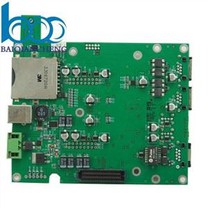
As technology advances, the demand for high-frequency PCBs (Printed Circuit Boards) has surged. These specialized boards are designed to handle high-speed signals with minimal loss, making them essential for modern communication systems, medical technologies, and automotive applications.
What is a High-Frequency PCB?
High-frequency PCBs are designed to operate efficiently at signals above 1 GHz. Made from materials with low dielectric loss, they maintain signal integrity for fast data transmission, ensuring minimal interference or distortion.
Key Features of High-Frequency PCBs
Low Dielectric Loss: Minimizes signal loss for reliable performance.
Signal Integrity: Maintains quality over long distances.
Precision Design: Requires tight tolerances and advanced design.
Specialized Materials: Includes PTFE, ceramics, LCP, and RF laminates.
Key Applications
Telecommunications: Used in 5G networks, microwave communications, and satellite systems.
Medical Devices: Critical for MRI, CT scanners, and wearable health tech.
Automotive: Essential for autonomous vehicles, radar, and LiDAR systems.
Consumer Electronics: Key in Wi-Fi routers, Bluetooth devices, and smart gadgets.
Test Equipment: Used in signal analyzers and RF testing.
Challenges in Design
Material Costs: High-performance materials like PTFE and ceramics can be expensive.
Precision Manufacturing: Requires controlled impedance and tight tolerances.
Thermal Management: High-frequency signals generate heat, requiring effective cooling solutions.
The Future of High-Frequency PCBs
As 5G, IoT, and autonomous vehicles expand, high-frequency PCBs will be in even higher demand. The future will focus on:
Better materials for higher performance.
Cost-effective production techniques.
Miniaturization of components for faster, smaller devices.
Conclusion
High-frequency PCBs are integral to technologies that rely on fast, reliable signal transmission. With continuous advancements in materials and manufacturing, their applications across industries will continue to grow, driving the future of communications, medical technologies, automotive systems, and more.