

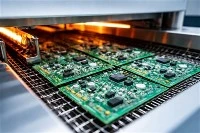



What is DIP?
Introduction
Dual In-line Package (DIP) is a classic through-hole technology (THT) for mounting electronic components on printed circuit boards (PCBs). Characterized by its rectangular housing and two parallel rows of electrical connecting pins, DIP was the dominant packaging method from the 1970s until the widespread adoption of Surface Mount Technology (SMT). While its usage has declined in mass-produced consumer electronics, DIP remains relevant in specific applications due to its robustness and ease of handling.
Key Features and Assembly Process
The most distinguishing feature of a DIP component is its pin layout. The pins are spaced 0.1 inches (2.54 mm) apart, a standard that made prototyping and manual assembly straightforward. The assembly process for DIP components involves:
Component Insertion: The component's pins are inserted into corresponding plated through-holes drilled in the PCB. This was often done manually for prototyping or in low-volume production.
Soldering: The board's underside is soldered, typically using a wave soldering machine. The board passes over a wave of molten solder, which wicks up the holes, creating a strong mechanical and electrical bond.
This through-hole design results in exceptionally strong mechanical connections, making DIP components highly resistant to environmental stress like vibration and heat.
Advantages and Modern Applications
Despite being less efficient for automation than SMT, DIP offers unique advantages that ensure its continued use:
Prototyping and Development: DIP is ideal for breadboards and prototype boards, allowing engineers to easily insert, test, and replace components without specialized equipment.
Educational Use: Its large size and ease of handling make it perfect for teaching electronics fundamentals.
High-Reliability Applications: In industrial controls, automotive, and sectors, the superior mechanical bond of through-hole mounting is still valued for critical components.
Legacy Systems and Repairs: Many older industrial systems and equipment rely on DIP components, necessitating their continued availability for maintenance and repair.


