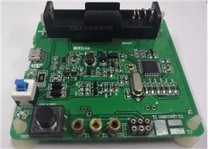

As electronic products continue to evolve, especially in industries like smartphones, consumer electronics, medical devices, and automotive electronics, PCBA (Printed Circuit Board Assembly) production faces increasingly high demands for precision and speed. To meet these needs, automated assembly technology has become widely adopted in PCBA production, playing a crucial role in improving both production efficiency and quality.
Automated assembly technology uses precise robots and automation equipment to efficiently and accurately assemble various electronic components onto circuit boards. Compared to traditional manual assembly, automation not only boosts production speed but also significantly enhances assembly accuracy and consistency, reducing the risk of human error. In particular, for electronic products with high precision and speed requirements, automated assembly technology can complete complex operations in a very short time, ensuring that every PCBA meets strict quality standards.
Additionally, automated assembly technology allows for 24/7 continuous production, further increasing output. This technology is especially beneficial for large-scale production and high-demand markets, enabling manufacturers to quickly respond to customer needs while reducing production costs.
With ongoing technological advancements, automated assembly technology will continue to evolve, integrating more intelligent elements such as artificial intelligence and machine vision. This will drive PCBA production toward greater refinement and efficiency, helping manufacturers improve their competitiveness and providing consumers with more stable and reliable electronic products.
In the future, as global electronics industries continue to demand higher speed and precision, automated assembly technology will play an increasingly important role in PCBA manufacturing, helping manufacturers stand out in the competitive market.