

Understanding PCBA (Printed Circuit Board Assembly) in Modern Electronics
PCBA is a critical process in electronics manufacturing, involving the assembly of electronic components onto a printed circuit board (PCB). It forms the backbone of nearly all electronic devices, from smartphones to automotive systems.
Key Trends in PCBA:
Miniaturization: Devices are getting smaller, requiring more compact and efficient PCBs.
High-Density Interconnects (HDI): The demand for smaller, more powerful devices drives the need for HDI boards with higher circuit density.
Environmental Compliance: There's a growing emphasis on lead-free soldering and eco-friendly materials in PCB production.
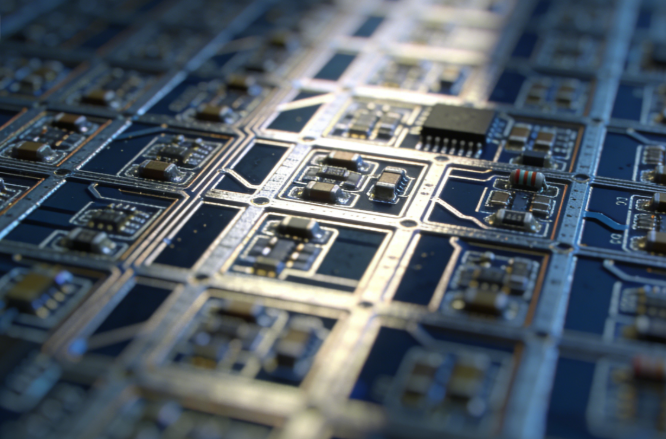
PCBA Manufacturing Process:
- Design & Fabrication: PCB layout is designed based on electrical and mechanical requirements, followed by fabrication.
- Component Placement: Using Surface Mount Technology (SMT) or Through-Hole Technology (THT), components are placed on the PCB.
- Soldering: Reflow soldering or wave soldering methods are used to securely attach components to the board.
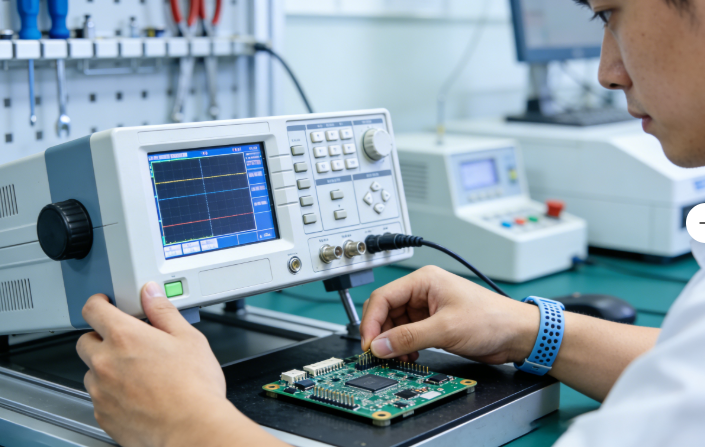
- Testing & Inspection: Functional testing ensures that the assembled PCB works as intended.Final Assembly & Packaging: The completed PCB is integrated into the final product and prepared for shipping.
Applications of PCBA:
- Consumer Electronics: Smartphones, tablets, wearables.
- Automotive: Control systems, navigation, sensors.
- Industrial Automation: Robotics, control systems.
- Medical Devices: Monitoring systems, diagnostic tools.
Our Expertise:
We specialize in high-precision PCBA services, ensuring high-quality assembly for industries such as consumer electronics, automotive, and healthcare. With state-of-the-art technology and a commitment to innovation, we deliver reliable and efficient solutions to meet the most demanding requirements.


