

Heavy Copper PCB: Benefits and Applications in Power Electronics
What Is a Heavy Copper PCB?
Heavy copper PCBs are printed circuit boards designed with thicker copper layers than conventional PCBs. While standard PCBs commonly use 1 oz or 2 oz copper, heavy copper PCBs typically feature 3 oz or higher copper thickness.
They are widely used in electronic systems requiring high current capacity and effective thermal management.
Key Advantages of Heavy Copper PCBs
1. Higher Current Capacity
Thicker copper conductors can carry higher currents when properly designed, making them suitable for demanding power applications.
2. Better Heat Dissipation
Heavy copper structures help distribute heat more effectively, reducing localized temperature buildup.
3. Improved Reliability
Properly designed heavy copper PCBs can provide stable electrical performance under demanding operating conditions.
Common Applications
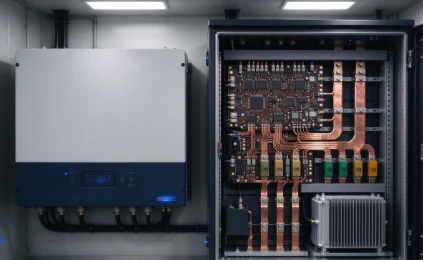
Heavy copper PCBs are commonly used in:
Battery energy storage systems
Solar inverters
Industrial power supplies
Motor controllers
EV charging equipment
Power conversion systems
Manufacturing Considerations
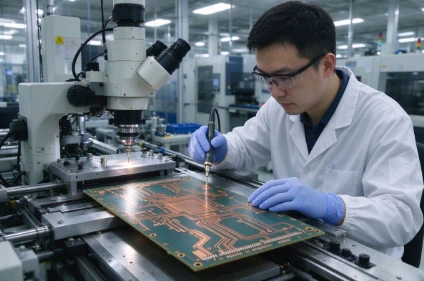
Heavy copper PCB manufacturing requires careful control of copper thickness, trace spacing, soldering temperatures, and thermal management.
BQC provides PCBA manufacturing services for heavy copper designs, with experience in copper weights from 4 oz to 16 oz, supporting prototype development and volume production.
Conclusion
Heavy copper PCBs are an effective solution for high-current electronic applications. Proper PCB design and manufacturing process control are essential for achieving reliable performance.


