

Common PCBA Testing Methods and Their Importance
Why Is PCBA Testing Important?
PCBA testing is an essential part of electronics manufacturing. It helps identify assembly defects, verify electrical performance, and improve product reliability.
Different testing methods are used throughout the manufacturing process to ensure consistent quality.
Common PCBA Testing Methods
1. SPI (Solder Paste Inspection)
SPI checks solder paste deposits before component placement. It helps detect insufficient, excessive, or misaligned solder paste.
2. AOI (Automated Optical Inspection)
AOI uses cameras to inspect assembled circuit boards for visible defects, including missing components, incorrect orientation, and soldering issues.
3. X-Ray Inspection
X-Ray inspection is commonly used to examine hidden solder joints, particularly beneath BGA components. It helps identify solder bridges, voids, and other internal defects.
4. ICT (In-Circuit Testing)
ICT checks electrical connections and component characteristics to identify short circuits, open circuits, and incorrect component values.
5. FCT (Functional Circuit Testing)
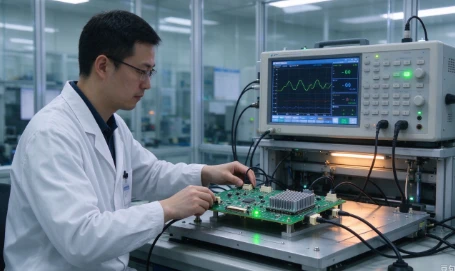
FCT verifies whether the assembled circuit board performs its intended functions under specified testing conditions.
The Importance of Combining Testing Methods
Each testing method serves a different purpose. Combining visual inspection, electrical testing, and functional verification helps improve manufacturing quality.
BQC supports PCBA quality control through SPI, AOI, X-Ray, ICT, and customized functional testing solutions.
Conclusion
Effective PCBA testing helps reduce manufacturing defects and maintain consistent product quality. Selecting appropriate testing methods is essential for reliable electronics manufacturing.


