

Hey there! I'm a supplier in the PCB assembly business, and today I wanna chat about when wave soldering should be used in PCB assembly. Wave soldering is an old - school yet still super useful technique in our industry. So, let's dig into the details and figure out when it's the right choice.
Understanding Wave Soldering
First off, for those who aren't too familiar, wave soldering is a process where a PCB with pre - placed components is passed over a wave of molten solder. This wave adheres the components to the PCB, creating electrical connections. It's a fast and efficient way to solder a large number of components all at once.
When Volume is King
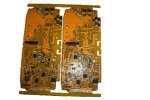
One of the most obvious scenarios where wave soldering shines is when you're dealing with high - volume production. If you've got a large order for a particular PCB design, wave soldering can be a real time - saver. For example, if you're producing thousands of PCBs for Residential And dustrial Electronic Equipments PCB Assembly, wave soldering can handle the job much faster than manual soldering or even some other automated methods.
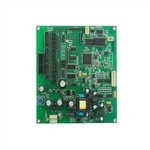
Let's say you're making PCBs for air conditioners. You might need to produce hundreds or thousands of Air Conditioner Controller Board Pcb Assembly Pcba units. With wave soldering, you can set up the process, and then just keep feeding the PCBs through the machine. This reduces the time per board and allows you to meet tight production deadlines.
Through - Hole Components
Another key situation where wave soldering is a great option is when your PCB design includes a significant number of through - hole components. Through - hole components are those that have leads that go through holes in the PCB. These components are often used in applications where mechanical strength and reliability are crucial.
For instance, in some industrial electronic equipment, you might find large connectors, switches, or power components that are through - hole. Wave soldering provides a strong and consistent solder joint for these types of components. The molten solder wave fills the holes around the leads, creating a solid connection that can withstand vibrations, temperature changes, and other environmental factors.
Cost - Effectiveness
Cost is always a big factor in any manufacturing process. Wave soldering is generally more cost - effective than some other soldering methods, especially for high - volume production. The initial setup cost for wave soldering equipment can be high, but once it's set up, the cost per board is relatively low.
The equipment can handle multiple PCBs at once, and the process is highly automated. This means you don't need as many labor hours compared to manual soldering. Also, the materials used in wave soldering, like the solder itself, are relatively inexpensive. So, if you're looking to keep your production costs down, wave soldering could be the way to go, especially for projects like Vending MachinePCBA, where you might be producing a large number of units.
When Design Allows for It
The design of the PCB also plays a role in determining whether wave soldering is appropriate. If the PCB layout is designed in a way that allows for easy passage over the solder wave, wave soldering can work well. The components should be arranged in a way that they don't block each other from getting proper solder coverage.
For example, if you have a simple, single - sided PCB with components evenly spaced, wave soldering can be a breeze. However, if the PCB has complex geometries, with components stacked on top of each other or very close together, it might be more challenging to use wave soldering. In such cases, you might need to consider other soldering methods or make some design adjustments.
Limitations of Wave Soldering
Of course, wave soldering isn't perfect for every situation. It has its limitations. For example, it's not very suitable for surface - mount devices (SMDs) that are very small or have a high pin count. SMDs are components that are placed directly on the surface of the PCB, and wave soldering might not be able to provide accurate and reliable solder joints for these types of components.
Also, wave soldering can sometimes cause issues like solder bridges, where the solder connects two adjacent pads that shouldn't be connected. This can lead to short - circuits and other electrical problems. To minimize these issues, proper design and process control are essential.
Complementary Processes
In some cases, wave soldering can be used in combination with other soldering methods. For example, you might use reflow soldering for the surface - mount components and then wave soldering for the through - hole components. This way, you can take advantage of the best features of both methods.


Let's say you're assembling a PCB that has a mix of SMDs and through - hole components. You can first use reflow soldering to attach the SMDs, which is great for precision and handling small components. Then, you can use wave soldering to attach the through - hole components, taking advantage of its speed and strength for those types of parts.
Conclusion
So, to sum it up, wave soldering is a great option in PCB assembly when you're dealing with high - volume production, have a significant number of through - hole components, are looking for cost - effectiveness, and the PCB design allows for it. It's an established and reliable method that has been used in the industry for a long time.
If you're in the market for PCB assembly and think wave soldering might be the right fit for your project, we'd love to chat. We've got the experience and the equipment to handle all your wave soldering needs. Whether it's for residential or industrial electronic equipment, air conditioner controller boards, or vending machines, we can provide high - quality PCB assembly services. Reach out to us to discuss your requirements and get a quote.
References
- "Handbook of Printed Circuit Board Manufacturing Technology"
- "Electronics Manufacturing Technology"
- Industry whitepapers on PCB assembly processes