

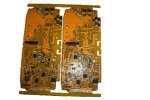
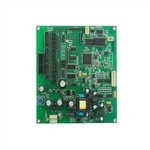
In the dynamic and fast - evolving electronics industry, Printed Circuit Boards (PCBs) serve as the backbone of countless electronic devices. As a PCB and PCBA (Printed Circuit Board Assembly) supplier, maintaining high - quality control standards is not just a requirement; it is the cornerstone of our business. This blog post will delve into the key quality control standards for PCBs and how they ensure the reliability and performance of the end - products.
Design - Phase Quality Control
The quality control process for PCBs starts long before the actual manufacturing begins, in the design phase. A well - designed PCB is crucial for the overall functionality and reliability of the electronic device.
One of the primary standards in the design phase is the compliance with electrical specifications. This includes proper trace width and spacing to prevent signal interference and short - circuits. For example, high - speed signals require wider traces to minimize resistance and ensure accurate data transmission. Additionally, the placement of components must be carefully planned to optimize the flow of electrical current and reduce electromagnetic interference (EMI).
Another important aspect is the mechanical design. The PCB must be designed to fit into the intended enclosure properly. This involves considering factors such as the size, shape, and mounting holes of the PCB. Incorrect mechanical design can lead to difficulties during assembly and may even cause damage to the PCB or the device it is installed in.
Material Selection and Inspection
The quality of the materials used in PCB manufacturing has a direct impact on the final product's performance and durability. As a PCB PCBA supplier, we adhere to strict standards when selecting materials.
The substrate material, usually a fiberglass - reinforced epoxy resin (FR - 4), must meet specific electrical and mechanical properties. It should have a low dielectric constant to minimize signal loss and a high glass transition temperature (Tg) to ensure stability under high - temperature conditions.
Copper is another critical material. The copper foil used for traces should have a uniform thickness and high purity. We conduct thorough inspections of incoming copper materials to check for any surface defects, such as scratches or pits, which could affect the conductivity of the traces.
Solder masks and silkscreens also play important roles. The solder mask should provide good adhesion and insulation, preventing solder bridges during the soldering process. The silkscreen should be clear and accurate, indicating component placement and other important information.
Manufacturing Process Control
During the manufacturing process, a series of quality control steps are implemented to ensure that each PCB meets the required standards.


Etching Process
The etching process is used to remove unwanted copper from the PCB, leaving behind the desired traces. To ensure high - quality etching, we control factors such as the etchant concentration, temperature, and etching time. Over - etching can result in thin or broken traces, while under - etching can leave behind unwanted copper, leading to short - circuits.
Drilling Process
Drilling holes in the PCB is a precise operation. The holes must be of the correct size and position to accommodate components and vias. We use advanced drilling machines with high - precision control systems to ensure accurate hole placement. Additionally, we inspect the drilled holes for any burrs or debris, which could affect the soldering process or the electrical connection.
Plating Process
The plating process is used to deposit a layer of metal, usually copper, on the drilled holes and the surface of the PCB to improve conductivity. We closely monitor the plating thickness and uniformity. Inconsistent plating can lead to uneven electrical performance and may cause reliability issues in the long run.
Assembly Quality Control
Once the PCBs are manufactured, they go through the PCBA process, where components are soldered onto the boards. This phase also has its own set of quality control standards.
Component Placement
Accurate component placement is essential for the proper functioning of the PCB. We use automated pick - and - place machines, which are programmed to place components with high precision. Before soldering, we conduct visual inspections to ensure that components are placed in the correct orientation and position.
Soldering Quality
The soldering process is a critical step in PCBA. We use techniques such as reflow soldering and wave soldering, depending on the type of components and the PCB design. To ensure good soldering quality, we control factors such as the soldering temperature, time, and solder paste composition. Poor soldering can result in cold joints, solder bridges, or component detachment, all of which can lead to device failure.
Testing and Inspection
After the PCBA process, the assembled PCBs undergo a series of tests and inspections to verify their functionality and quality.
In - Circuit Testing (ICT)
ICT is a common test method used to check the electrical connectivity of the PCB. It involves using a test fixture to apply electrical signals to the PCB and measure the responses. This test can detect issues such as short - circuits, open - circuits, and incorrect component values.
Functional Testing
Functional testing is used to verify that the PCB performs its intended functions. We simulate real - world operating conditions and test the PCB's performance under different scenarios. This helps to identify any functional issues that may not be detected by ICT.
Automated Optical Inspection (AOI)
AOI is a non - destructive testing method that uses cameras to inspect the PCB for surface defects, such as missing components, misaligned components, and soldering defects. AOI can quickly and accurately detect these issues, allowing for timely correction.
Industry Standards and Certifications
In addition to our in - house quality control standards, we also comply with various industry standards and certifications. For example, the International Electrotechnical Commission (IEC) and the Institute of Printed Circuits (IPC) have established a set of standards for PCB design, manufacturing, and assembly. These standards cover aspects such as material properties, dimensional tolerances, and soldering quality.
Obtaining certifications such as ISO 9001, which focuses on quality management systems, demonstrates our commitment to providing high - quality products and services. These certifications not only give our customers confidence in our products but also help us to continuously improve our quality control processes.
Our Product Offerings and Quality Assurance
As a PCB PCBA supplier, we offer a wide range of products, including PCB Assembly For Industrial Control Products, Intelligent Voice Robot PCBA, and Intelligent Alarm System PCBA. For each of these products, we apply the same rigorous quality control standards from design to testing.
Our quality assurance team is dedicated to ensuring that every PCB and PCBA product leaving our facility meets or exceeds customer expectations. We use state - of - the - art equipment and follow best - practice procedures to maintain the highest level of quality.
Conclusion
Quality control is an integral part of the PCB and PCBA manufacturing process. From the design phase to the final testing, every step is carefully monitored and controlled to ensure that the products meet the required standards. As a PCB PCBA supplier, we understand the importance of providing high - quality products to our customers.
If you are in need of reliable PCB and PCBA solutions, we invite you to contact us for procurement and further discussions. Our team of experts is ready to assist you in finding the best solutions for your specific requirements.
References
- IPC - Association Connecting Electronics Industries. (20XX). IPC Standards for Printed Circuit Boards.
- International Electrotechnical Commission. (20XX). IEC Standards for Electronic Products.
- Manufacturer's Guides for PCB Materials and Components.