

Hey there! I'm part of a PCB Assembly supplier, and I know firsthand how challenging it can be to adapt to new component technologies in this ever - evolving field. In this blog, I'll share some tips and insights on how we can navigate these changes effectively.
Why Adapt to New Component Technologies?
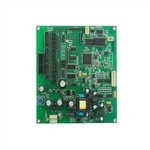
First off, let's talk about why it's so important to adapt. The electronics industry is moving at a breakneck pace. New component technologies are emerging all the time, offering better performance, smaller sizes, and lower power consumption. If we don't keep up, we risk losing our competitive edge. For example, in the market of Control Electronic Board PCB Assembly, customers are always looking for the latest and greatest in terms of functionality and reliability. By adapting to new component technologies, we can meet these demands and offer better products to our clients.
Stay Informed
One of the first steps in adapting to new component technologies is to stay informed. There are several ways to do this. Industry conferences are a great place to start. They bring together experts, manufacturers, and suppliers from all over the world. You can attend seminars, workshops, and networking events to learn about the latest trends and technologies. For instance, at a recent conference, I learned about some cutting - edge power management components that could revolutionize our Power Battery PCBA products.
Online resources are also invaluable. There are many industry blogs, forums, and news websites that provide up - to - date information on new component technologies. I subscribe to several newsletters and follow influential figures on social media to stay in the loop. This way, I can quickly learn about new product releases, research findings, and industry best practices.
Build Relationships with Component Manufacturers
Building strong relationships with component manufacturers is crucial. They are the ones who develop and produce these new technologies, so they have the most in - depth knowledge. By working closely with them, we can get early access to new components, technical support, and even customized solutions.
For example, we've partnered with a leading semiconductor manufacturer. They've provided us with samples of their latest microcontrollers and helped us integrate them into our designs. This not only gives us a head start in the market but also allows us to optimize our products for the new components. We can also participate in their product development programs, which helps us influence the direction of future technologies.
Training and Skill Development
As new component technologies emerge, our staff needs to have the skills to work with them. This means investing in training and skill development. We offer regular in - house training sessions on topics such as new soldering techniques, component handling, and design for manufacturability.
We also encourage our employees to take external courses and certifications. For instance, some of our technicians have completed courses on advanced surface - mount technology (SMT). This has improved their proficiency in handling the latest SMT components and has led to better quality control in our Home Energy Power Storage PCBA Service.
Pilot Projects
Before fully integrating new component technologies into our production line, we like to conduct pilot projects. This allows us to test the new components in a real - world environment and identify any potential issues. We can also evaluate the performance, reliability, and cost - effectiveness of the new components.
For example, when we were considering using a new type of high - density interconnect (HDI) board in our PCB assembly, we set up a small - scale pilot project. We built a limited number of prototypes and tested them under various conditions. This helped us discover some minor design flaws that we were able to correct before mass production. It also gave us a better understanding of the manufacturing process and the resources required.
Flexibility in Design
Our PCB designs need to be flexible enough to accommodate new component technologies. This means using modular design principles and standard interfaces. By doing so, we can easily swap out old components for new ones without having to completely redesign the entire board.
For example, we've designed our control boards with a modular architecture. Each module has a specific function, and we can upgrade or replace individual modules as new component technologies become available. This not only reduces the time and cost of product development but also makes our products more future - proof.
Cost - Benefit Analysis
When adapting to new component technologies, it's important to conduct a cost - benefit analysis. New components may offer better performance, but they can also be more expensive. We need to weigh the benefits against the costs to determine if the investment is worthwhile.
For example, a new type of high - performance capacitor may improve the electrical characteristics of our PCB, but it may also increase the material cost by 20%. We need to consider factors such as the expected increase in product price, market demand, and the potential gain in market share. By doing a thorough cost - benefit analysis, we can make informed decisions about which new component technologies to adopt.
Conclusion
Adapting to new component technologies in PCB assembly is a continuous process. It requires us to stay informed, build relationships, invest in training, conduct pilot projects, be flexible in design, and do cost - benefit analyses. By following these steps, we can not only keep up with the industry trends but also stay ahead of the competition.


If you're in the market for high - quality PCB assembly services and are interested in leveraging the latest component technologies, we'd love to talk to you. Whether you need Control Electronic Board PCB Assembly, Power Battery PCBA, or Home Energy Power Storage PCBA Service, we have the expertise and experience to meet your needs. Reach out to us to start a conversation about your project requirements.
References
- Industry Conference Proceedings
- Online Industry Blogs and Forums
- Technical Documentation from Component Manufacturers