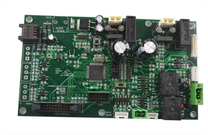


As industries like automotive, medical, and industrial control demand higher levels of reliability from their electronics, We have refined its PCBA manufacturing processes to better support these critical applications. The upgrade focuses on stable quality, consistent performance, and compliance with key industry standards.
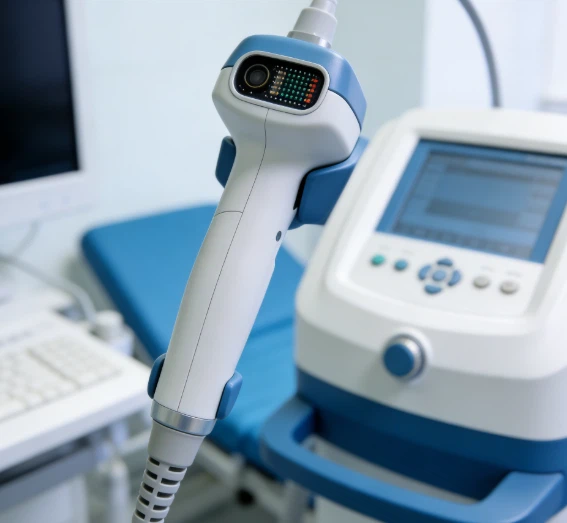
At the center of these improvements is our enhanced quality control framework, tailored to meet the requirements of high-reliability products. We have strengthened process validation at every stage, from incoming material inspection and SMT assembly to final functional testing. For components such as BGAs, fine-pitch ICs, and power modules, we apply more stringent thermal profiling and automated inspection routines to minimize risks related to soldering defects or placement errors.
To support these stricter standards, our production lines have been optimized with automated traceability and process monitoring tools. Every batch is logged with full component lot numbers, process parameters, and test results. This level of traceability allows us to quickly identify and resolve any issues, while also meeting the documentation needs of customers in regulated sectors.
We have also adjusted our production workflows to better serve the unique needs of high-mix, low-volume projects common in medical and industrial applications. Our team now applies a more structured DFM (Design for Manufacturability) review process at the early stages of each project, helping customers avoid potential manufacturing challenges before production begins. This collaborative approach has helped reduce rework rates and improve delivery predictability.
"For these types of applications, consistency and reliability are more important than speed.""Our goal is to provide our customers with PCBA assemblies they can trust, backed by stable processes and clear documentation. This upgrade is about building that trust one order at a time." The changes are already in effect across our production facilities. Customers working on automotive control units, diagnostic equipment, or industrial sensor modules can now benefit from these enhanced capabilities.