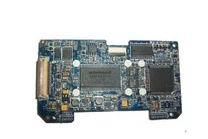
Wave soldering is an automated process in which components are soldered onto a printed wiring board (PWB) as the board passes over the top of a wave of solder. Air pumped up from the bottom of a container of melted solder creates this wave. Baffles mounted inside the pot also help to form the required wave profile for the board being soldered.
A PWB being assembled with a wave soldering process undergoes three basic stages. In the first stage, the underside of the board is evenly coated with a material known as flux. This is typically applied as a spray or foam. Flux prevents oxidation from being produced at high temperature and impeding proper solder application to the parts being soldered.
Preheating follows fluxing in order to dry and activate the flux in preparation for soldering. It also reduces the thermal shock the board and components experience when they pass over the hot wave of melted solder. Dissipation of volatile materials in the flux in this stage reduces the likelihood of spattering while the board is being soldered. This reduces the number of opportunities for the creation of solder defects in the final product.