What is the SMT?
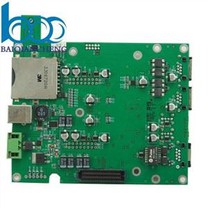
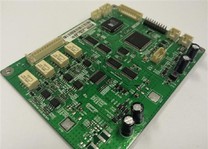
SMT, an abbreviation for Surface Mount Technology, is a core assembly process used in the manufacturing of PCBA (Printed Circuit Board Assembly). It refers to the technology of mounting and soldering surface-mount devices (SMDs) directly onto the surface of a printed circuit board (PCB), rather than inserting component pins through holes in the board, which has become the mainstream assembly method in modern electronic manufacturing.
The SMT process mainly consists of four key steps: solder paste printing, component placement, reflow soldering, and inspection. First, solder paste is precisely printed onto the PCB pads through a stencil to provide the medium for soldering. Then, high-speed or high-precision placement machines pick up SMDs (such as resistors, capacitors, and ICs) from feeders and place them accurately on the corresponding pads. Next, the PCB is sent through a reflow oven, where the solder paste melts at high temperature and solidifies after cooling, forming reliable solder joints between components and the PCB.
Compared with the traditional Through-Hole Technology (DIP), SMT has obvious advantages: it enables miniaturization of electronic products by using smaller SMDs, improves assembly efficiency with automated equipment, reduces production costs, and enhances the reliability of PCBA. It is especially suitable for high-density, small-sized electronic devices.
SMT is widely applied in various fields closely related to PCBA, including consumer electronics, automotive electronics, medical equipment, industrial control, and communication devices. As the core technology of PCBA assembly, SMT directly affects the production efficiency, quality, and miniaturization level of electronic products, playing an irreplaceable role in the development of the electronic manufacturing industry.