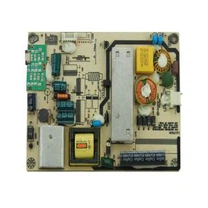
Alternatively referred to as a distribution board, a panel board is an element of a system used to supply electricity. Its primary function is to divide an electrical feed into supplementary circuits while providing a shielding or protective fuse for each circuit in an enclosed space. Panel and distribution boards tend to be made up of fuse links, bus bars, switches and automated protective equipment, sometimes called bypass equipment—these protect electrical distribution systems and electrical connections from overloading, short-circuiting and other problems.
Electrical energy is usually transmitted to consumers from a source of bulk power called a distribution system or conductor system. These can be separated into two areas called high voltage distribution and low voltage distribution. Power supplies are commonly regulated via switches and fault protection through various relays. Determining which power distribution system to use is commonly dependent on the load required for each individual user.
A panel board is mainly manufactured out of sheet metal with open, semi-open or complete enclosures. The facing surface of a panel board is normally where manufacturers indicate the provisions for voltage and current frequency per unit. Fabrication and design of the sheet metal enclosures for most control panels are done within the unit. The layout and design of the board is produced, and it is then fitted with specific components and accessories. Once it’s completely assembled, the panel board is tested for proper performance and applicable standards.