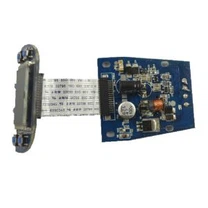
A metal core printed circuit board (PCB) is a thin, flat sheet of material that holds various electronic components, including chips, and is used in electronic equipment, especially computers. A metal core PCB is similar to a standard PCB, except it has a metal layer added to offer several advantages. The most common advantage is that the metal core is better suited to relieving heat than other materials, so the metal core printed circuit board does not need as many fans; metal core boards also are not subject to the heat-related changes in size that other PCBs suffer. On the downside, these PCBs often are thicker, so they may not be appropriate for every system. Aluminum usually is used as the metal core, but copper and alloys also are common.
When a PCB runs, heat is generated by the power and electricity going through the system. If this heat is not reduced to a manageable amount, then the system can catch fire, the PCB’s longevity can be reduced, or the PCB can immediately stop working. Fans and heatsinks normally are used to relieve the heat, but a metal core printed circuit board uses a metallic core inside the PCB itself. Metal conducts heat well, so the heat is directed toward the metal and away from important areas of the PCB.