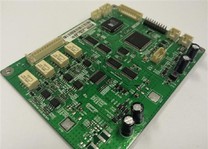
PCBA electronics factory is the core link of electronic product manufacturing. Its production process involves multiple complex processes, including patching, plug-in, welding, testing, assembly, etc. This industry is labor-intensive, technology-intensive and capital-intensive, which places extremely high requirements on the refinement and intelligence of production management. However, current PCBA electronics factories generally face the following challenges in production management:
The production process is complex and changeable: The PCBA production process involves a variety of raw materials, parts and process steps, and there are many types of products. The production process is complex and changeable, making it difficult to effectively control.
Quality control is difficult: The quality of PCBA products is directly related to the overall performance of electronic products, and quality control involves multiple links. A slight oversight may lead to product quality problems.
Low production efficiency: Due to cumbersome production processes, information asymmetry and other reasons, the production efficiency of PCBA electronics factories is often difficult to reach the optimal level.
Difficulties in cost control: The costs of raw materials, labor, equipment maintenance, etc. are rising, putting huge pressure on the cost control of PCBA electronics factories.
In response to the above challenges in the PCBA electronics factory industry, we have proposed a solution based on the MES system. As the core information system of the manufacturing execution layer, the MES system can connect the planning layer and on-site automation systems to achieve comprehensive monitoring and optimization of the production process.
After introducing the MES system, PCBA electronics factory will gain the following significant benefits:
Production efficiency improvement: Significantly improve production efficiency through measures such as optimizing production schedules, reducing waiting times, and improving equipment utilization.
Product quality improvement: Ensure product quality is controllable and continuously improved through real-time monitoring of quality abnormalities, automatic collection and analysis of quality data and other measures.
Cost reduction: Effectively reduce production costs by optimizing inventory management, reducing scrap rates and improving equipment utilization.
Management Transparency: Improve the transparency and efficiency of production management through measures such as visual management and data center analysis.
Intelligent upgrade: Through measures such as Internet of Things interfaces and integration, intelligent management and decision support of the production process are achieved.