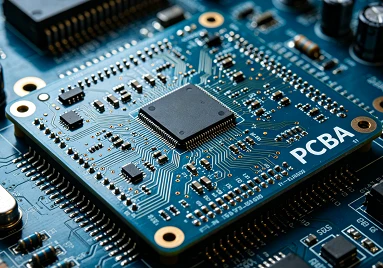
One of the most critical requirements is high-current and high-power capability. Core modules such as battery management systems (BMS), inverters, and power conversion systems (PCS) handle significant energy flow, requiring thick copper PCBs, optimized power traces, and enhanced thermal paths to minimize heat buildup and voltage drop.
Thermal management is equally essential because home storage systems often operate 24/7. PCBAs typically use High Tg materials, thermal vias, large copper areas, and dedicated heat sink structures to maintain stable performance during continuous charging and discharging cycles.
For high-voltage systems, especially those above 200V, PCBAs must meet stricter creepage, clearance, and insulation requirements to ensure operational safety. Isolation slots and high-dielectric materials are commonly adopted to reduce electrical risks.
Long service life is another key expectation, with most home energy storage products designed for 10 to 15 years of operation. To achieve this, manufacturers perform aging tests, temperature cycling, damp heat tests, and surge protection validation.
In addition, strong EMC performance and communication stability are required for seamless integration with EMS platforms, solar inverters, and smart home networks. CAN, RS485, Ethernet, and wireless modules all rely on robust anti-interference PCB design.
High-reliability PCBA technology is therefore essential for building safe, efficient, and durable home energy storage solutions.