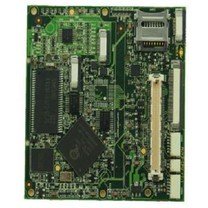
Tin penetration is an important problem in PCBA processing. For example, in the processing of through-hole insertion, the poor tin permeability board is prone to some processing defects, such as poor welding, tin cracks and even falling off. In the production of PCBA factory, the main factors and processes affecting tin penetration are material, flux, wave soldering, manual welding, etc. The following professional PCBA OEM factory pate precision simple to introduce you.
1. Materials
High temperature molten tin has strong permeability, but some metals in PCBA processing are not like this. For example, aluminum metal will automatically form a dense protective layer on its surface at high temperature, and the difference of internal molecular structure makes it difficult for other molecules to penetrate.
2. Flux
Flux is also an important factor affecting tin penetration in PCBA processing. The main function of flux is to remove surface oxide of PCB and components and prevent reoxidation during soldering.
Poor selection of flux, uneven coating and too little amount of solder will lead to poor tin permeability.
3. Wave soldering
Wave soldering process will directly affect the effect of tin penetration. When the effect is not good, we can choose to re optimize the welding parameters with poor tin permeability, such as wave height, temperature, welding time or moving speed.
4. Manual welding
In the actual plug-in welding quality inspection, a considerable number of weldments only form a cone on the solder surface, but there is no tin penetration in the through-hole.