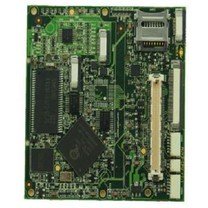
The first step is to solder all of the components, all of them, not just a few to test a PCB, all of the components that should be on the final PCB. Otherwise, you wouldn’t test a PCB completely. It may work fine without some components but once you solder all of them it can stop working completely.
To find if there are any errors, test your PCB. If there is a microcontroller, write a sketch to test all of the functions of your PCB. Check all of them at once or one at a time. If everything works fine don’t worry be happy but if something is wrong, keep reading. If you don't have any microcontroller just test your circuit with a multimeter or power it and test if it works as it should.
If you found out that your PCB is not working as it should the first thing to do is to check all of the connections with a multimeter. Check for shorts or open circuits. Set multimeter to ohms measuring or to buzzer mode and check every connection, to make it easier use your schematic and PCB layout.
If you have an access to a microscope even the simple one and need to troubleshoot soldering of SMD components, maybe this is a good solution for you. I am using a microscope sometimes to check if there are any shorts or just to check if I soldered something properly. Overall it’s not very useful in an electronics shop, and this is not something that you must have but when you are working with tiny components it’s nice to have one.
If everything on a PCB seems to work fine, take a look at the schematic and PCB layout, maybe ask a friend to check it with a fresh view. Try to find what may cause a problem. This is an obvious step but sometimes taking a day off and looking at the schematic next day give you this fresh view, it is way easier to find mistakes (like VCC connected to both sides of an LED), Making a clear schematic is a key there, if you have a clear schematic it's better for you and it's better for others.
If there are some components that are not working, try to google them and find other peoples schematics that use your part, check how they connect it to the rest of their project and find what is different between those schematics and yours. Of course remember that not everything that you found on the internet is true, but if a part is connected the same way on several schematics we can assume that this is how it should be done.