

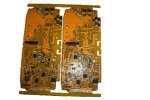
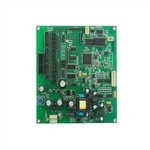
In the realm of Electronic PCBA (Printed Circuit Board Assembly) manufacturing, the cleaning process stands as a critical step that significantly impacts the performance, reliability, and longevity of the final product. As a trusted Electronic PCBA Assembly supplier, we understand the paramount importance of using the right cleaning agents to ensure the highest quality of our assemblies. This blog post delves into the various cleaning agents employed in Electronic PCBA Assembly cleaning, shedding light on their properties, applications, and benefits.
Types of Cleaning Agents
Water-Based Cleaning Agents
Water-based cleaning agents are among the most commonly used in Electronic PCBA Assembly cleaning. They are composed primarily of water, along with various additives such as surfactants, chelating agents, and corrosion inhibitors. These agents offer several advantages, including low toxicity, environmental friendliness, and ease of disposal.
Water-based cleaning agents are effective in removing a wide range of contaminants, including flux residues, solder pastes, oils, and greases. They work by dissolving or suspending the contaminants in the water, allowing them to be rinsed away easily. Additionally, water-based cleaning agents can be used in both batch and inline cleaning systems, making them versatile for different production environments.
One of the key considerations when using water-based cleaning agents is the need for proper drying after cleaning. Residual water can cause corrosion and other issues if not removed completely. Therefore, it is essential to use a drying process, such as hot air drying or vacuum drying, to ensure that the PCBA is completely dry before further processing.
Solvent-Based Cleaning Agents
Solvent-based cleaning agents are another popular choice for Electronic PCBA Assembly cleaning. They are typically composed of organic solvents, such as isopropyl alcohol (IPA), acetone, or hydrocarbon solvents. Solvent-based cleaning agents offer excellent cleaning performance, particularly for removing stubborn contaminants such as rosin-based flux residues.
Solvent-based cleaning agents work by dissolving the contaminants in the solvent, allowing them to be wiped or rinsed away. They are highly effective in removing organic contaminants and can provide a high level of cleanliness. However, solvent-based cleaning agents also have some drawbacks, including high volatility, flammability, and potential health hazards.
When using solvent-based cleaning agents, it is crucial to follow proper safety procedures to minimize the risk of fire, explosion, and exposure to harmful chemicals. This includes using appropriate ventilation systems, wearing personal protective equipment (PPE), and storing the solvents in a safe manner. Additionally, solvent-based cleaning agents require proper disposal to prevent environmental contamination.
Semi-Aqueous Cleaning Agents
Semi-aqueous cleaning agents combine the advantages of both water-based and solvent-based cleaning agents. They are typically composed of a mixture of water, organic solvents, and surfactants. Semi-aqueous cleaning agents offer good cleaning performance, low toxicity, and environmental friendliness.
Semi-aqueous cleaning agents work by dissolving the contaminants in the solvent phase and then emulsifying them in the water phase. This allows for easy removal of the contaminants during the rinsing process. Semi-aqueous cleaning agents can be used in both batch and inline cleaning systems and are suitable for a wide range of applications.
One of the benefits of semi-aqueous cleaning agents is their ability to remove a variety of contaminants, including rosin-based flux residues, no-clean flux residues, and other organic and inorganic contaminants. They also offer good compatibility with different types of PCBs and components, minimizing the risk of damage during the cleaning process.
Factors to Consider When Choosing Cleaning Agents
Contaminant Type
The type of contaminants present on the PCBA is one of the most important factors to consider when choosing a cleaning agent. Different cleaning agents are effective against different types of contaminants. For example, water-based cleaning agents are generally more effective in removing water-soluble contaminants, while solvent-based cleaning agents are better suited for removing organic contaminants.
PCB and Component Compatibility
The compatibility of the cleaning agent with the PCB and its components is another crucial factor. Some cleaning agents may react with certain materials, causing damage or degradation. Therefore, it is essential to choose a cleaning agent that is compatible with the specific PCB and components being used.
Cleaning Process
The cleaning process being used also plays a role in the choice of cleaning agent. Different cleaning processes, such as batch cleaning, inline cleaning, or ultrasonic cleaning, may require different types of cleaning agents. For example, ultrasonic cleaning may require a cleaning agent with good cavitation properties to enhance the cleaning effect.
Environmental and Safety Requirements
In today's environmentally conscious world, it is important to consider the environmental and safety requirements when choosing a cleaning agent. Water-based and semi-aqueous cleaning agents are generally more environmentally friendly than solvent-based cleaning agents. Additionally, it is essential to choose a cleaning agent that meets the relevant safety standards and regulations to ensure the health and safety of the workers.
Applications of Different Cleaning Agents
Handheld Medical Testing Equipment PCBA
For handheld medical testing equipment PCBA, cleanliness is of utmost importance to ensure accurate test results and reliable performance. Water-based cleaning agents are often the preferred choice for this application due to their low toxicity and environmental friendliness. They can effectively remove flux residues and other contaminants without causing damage to the sensitive components used in medical devices.
Portable Power Station Pcba Pcb Assembly
Portable power station PCBA requires a cleaning agent that can effectively remove the contaminants generated during the soldering process, such as flux residues and metal particles. Solvent-based cleaning agents may be used in this application to achieve a high level of cleanliness. However, proper safety measures must be taken to ensure the safety of the workers and the environment.


Control Board For Electric Fireplace Smart Electric Lock Pcba
Control boards for electric fireplaces and smart electric locks need to be clean to ensure reliable operation. Semi-aqueous cleaning agents are a good choice for this application as they offer a balance between cleaning performance and environmental friendliness. They can remove a variety of contaminants and are compatible with different types of PCBs and components.
Conclusion
In conclusion, choosing the right cleaning agent is essential for achieving high-quality Electronic PCBA Assembly. Water-based, solvent-based, and semi-aqueous cleaning agents each have their own advantages and disadvantages, and the choice depends on various factors such as the type of contaminants, PCB and component compatibility, cleaning process, and environmental and safety requirements.
As a leading Electronic PCBA Assembly supplier, we have extensive experience in using different cleaning agents to meet the specific needs of our customers. We are committed to providing high-quality PCBA assemblies that meet the highest standards of cleanliness and reliability.
If you are in need of Electronic PCBA Assembly services or have any questions about cleaning agents, please feel free to contact us. We would be happy to discuss your requirements and provide you with the best solutions.
References
- "Cleaning Agents for Printed Circuit Board Assemblies," IPC-7530, Association Connecting Electronics Industries.
- "Handbook of Cleaning Agents," Second Edition, by Karlheinz Lange.
- "Environmental and Safety Considerations in PCB Cleaning," SMTA International Conference Proceedings.