

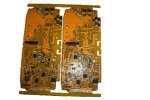
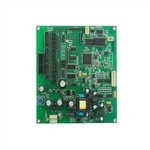
As a One Stop OEM PCB Assembly supplier, I understand the critical importance of meeting the specific requirements for PCB assembly in medical devices. The medical industry demands the highest standards of quality, reliability, and safety, and PCB assemblies play a crucial role in the functionality of various medical equipment. In this blog, I will discuss the key requirements for One Stop OEM PCB Assembly in medical devices.
1. Regulatory Compliance
One of the most significant requirements for PCB assembly in medical devices is regulatory compliance. Medical devices are subject to strict regulations and standards to ensure patient safety and effectiveness. For example, in the United States, the Food and Drug Administration (FDA) regulates medical devices under the Federal Food, Drug, and Cosmetic Act (FD&C Act) and the Public Health Service Act (PHS Act). In the European Union, medical devices must comply with the Medical Device Regulation (MDR) or the In Vitro Diagnostic Medical Device Regulation (IVDR).
Compliance with these regulations involves several aspects. First, the PCB assembly process must follow good manufacturing practices (GMP). This includes maintaining a clean and controlled manufacturing environment, proper documentation of the production process, and quality control measures at every stage of assembly. The materials used in the PCB assembly, such as the printed circuit boards, components, and soldering materials, must also meet the relevant regulatory standards. For instance, they should be free from harmful substances and have appropriate certifications.
2. High - Quality Components
Medical devices often require high - precision and reliable operation. Therefore, using high - quality components is essential for One Stop OEM PCB Assembly in this field. The components should have excellent electrical performance, long - term stability, and high resistance to environmental factors.
When selecting components, it is crucial to work with reputable suppliers. These suppliers should have a proven track record of providing components that meet the strict quality requirements of the medical industry. For example, microcontrollers used in medical devices need to have high processing power and low power consumption to ensure efficient operation. Sensors should be highly accurate and sensitive to detect even the slightest changes in physiological parameters.
Moreover, component traceability is also important. In case of any quality issues or recalls, it should be possible to trace the origin of each component used in the PCB assembly. This helps in quickly identifying and resolving problems, minimizing the impact on patient safety.
3. Design for Reliability
The design of the PCB assembly has a significant impact on the reliability of the medical device. The PCB layout should be carefully planned to minimize electromagnetic interference (EMI) and cross - talk between different circuits. This is especially important in medical devices that use multiple sensors and communication interfaces.
Thermal management is another critical aspect of PCB design in medical devices. Some components generate a significant amount of heat during operation, and if not properly managed, it can affect the performance and lifespan of the device. Adequate heat sinks, ventilation, and thermal vias should be incorporated into the PCB design to dissipate heat effectively.


In addition, the PCB design should also consider the ease of assembly and maintenance. Modular designs can be beneficial, as they allow for easier replacement of faulty components and upgrades in the future. This reduces downtime and maintenance costs for the medical device.
4. Testing and Validation
Comprehensive testing and validation are essential for One Stop OEM PCB Assembly in medical devices. The testing process should start from the incoming inspection of components to ensure their quality. During the assembly process, in - process inspections should be carried out to detect any potential issues early.
Functional testing is a key part of the validation process. The assembled PCB should be tested to ensure that it performs all the intended functions accurately. This may involve simulating real - world operating conditions and using specialized test equipment. For example, in a medical monitoring device, the PCB should be able to accurately measure and transmit physiological data.
Reliability testing is also necessary. This includes subjecting the PCB assembly to accelerated life tests, such as high - temperature and high - humidity tests, to evaluate its long - term performance. Environmental testing, such as vibration and shock tests, can also be conducted to ensure that the device can withstand the rigors of normal use.
5. Security and Data Protection
Many modern medical devices are connected to networks for data transmission and remote monitoring. This introduces the need for strong security and data protection measures in the PCB assembly.
The PCB should be designed to prevent unauthorized access to the device's data and functions. This can be achieved through the use of encryption algorithms, secure communication protocols, and access control mechanisms. For example, in a telemedicine device, patient data transmitted over the network should be encrypted to protect its privacy.
In addition, the PCB assembly should also be protected against cyber - attacks. This may involve implementing security features at the hardware level, such as secure boot mechanisms and intrusion detection systems.
6. Customization and Flexibility
Medical devices come in a wide variety of types and applications, each with its own unique requirements. Therefore, One Stop OEM PCB Assembly suppliers need to offer customization and flexibility.
The supplier should be able to work closely with the medical device manufacturers to understand their specific needs and develop customized PCB assemblies. This may involve designing unique PCB layouts, selecting specific components, and implementing specialized functions. For example, a custom - designed PCB assembly may be required for a new type of surgical instrument that has specific space and performance constraints.
Flexibility in production volume is also important. Whether it is a small - scale production for a new medical device prototype or a large - scale production for mass - market distribution, the supplier should be able to adjust the production process accordingly.
7. Supply Chain Management
An efficient supply chain management system is crucial for One Stop OEM PCB Assembly in medical devices. The supplier needs to ensure a stable supply of components and materials to avoid production delays.
This involves building strong relationships with component suppliers and having contingency plans in case of supply disruptions. For example, in the event of a shortage of a particular component, the supplier should be able to quickly find alternative sources or adjust the design to use a different but equivalent component.
In addition, the supply chain management should also focus on reducing costs without compromising on quality. This can be achieved through bulk purchasing, optimizing inventory levels, and negotiating favorable terms with suppliers.
Conclusion
In conclusion, One Stop OEM PCB Assembly in medical devices requires meeting a wide range of requirements, including regulatory compliance, high - quality components, reliable design, comprehensive testing, security, customization, and efficient supply chain management. As a [Your Company's Position] in this field, we are committed to meeting these requirements to provide our customers with the best - in - class PCB assembly solutions for their medical devices.
If you are a medical device manufacturer looking for a reliable One Stop OEM PCB Assembly supplier, we would be delighted to discuss your specific needs. Please feel free to contact us for more information and to start a procurement negotiation. We are confident that our expertise and experience in this area can help you develop high - quality and reliable medical devices.
References
- "Medical Device Regulation (MDR) - European Union", European Commission.
- "Good Manufacturing Practices for Medical Devices", U.S. Food and Drug Administration.
- "Design Considerations for PCB Assembly in Medical Devices", Industry White Paper.
For more information about our services, you can visit the following links: