

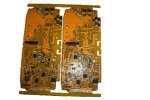
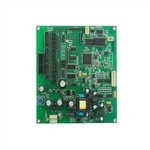
Hey there! As a PCB and PCBA supplier, I've seen firsthand how crucial proper packaging is for printed circuit boards (PCBs). In this blog, I'll share what the packaging requirements for PCBs are and why they matter.
Why Good Packaging Matters for PCBs
Before we dive into the requirements, let's talk about why good packaging is a big deal. PCBs are delicate. They're full of tiny components and intricate circuits that can easily get damaged. If a PCB gets damaged during shipping or storage, it can lead to malfunctions, which means unhappy customers and lost money for everyone involved. So, getting the packaging right is super important.
Protection Against Physical Damage
One of the main jobs of PCB packaging is to protect the boards from physical damage. PCBs can be scratched, bent, or broken if they're not properly protected. Here's what we do to prevent that:
Rigid Containers
We use rigid containers like plastic or cardboard boxes. These containers are strong enough to withstand the normal bumps and jolts that happen during shipping. They keep the PCBs in place and prevent them from moving around too much.
Foam Inserts
Inside the rigid containers, we add foam inserts. These inserts are custom - cut to fit the shape of the PCBs. They provide a soft cushion that absorbs shock and prevents the boards from hitting the sides of the container.
Anti - Static Packaging
PCBs are sensitive to static electricity. A single static discharge can damage the electronic components on the board. That's why we use anti - static packaging materials.
Anti - Static Bags
We place each PCB in an anti - static bag. These bags are made of a special material that prevents the buildup of static electricity. They also block any external static charges from reaching the PCB.
Conductive Foam
In addition to anti - static bags, we sometimes use conductive foam. This foam is made of a material that conducts electricity, which helps to dissipate any static charges that might build up.
Moisture and Humidity Control
Moisture and humidity can be a big problem for PCBs. They can cause corrosion on the metal parts of the board and damage the electronic components. To prevent this, we take the following steps:
Desiccants
We include desiccants in the packaging. Desiccants are materials that absorb moisture from the air. They help to keep the environment inside the packaging dry.


Moisture - Barrier Bags
We also use moisture - barrier bags. These bags are made of a material that prevents moisture from getting in. They create a sealed environment around the PCB, protecting it from humidity.
Labeling and Identification
Proper labeling is essential for PCB packaging. It helps to ensure that the PCBs are handled correctly and that they reach the right destination.
Product Information
Each package is labeled with information about the PCBs inside. This includes the model number, quantity, and any special instructions or handling requirements.
Shipping Labels
We also add shipping labels to the packages. These labels include the shipping address, return address, and any shipping instructions.
Custom Packaging for Different Applications
We understand that different applications have different packaging requirements. For example, Electronic PCBA For Water Heater OEM might need packaging that can withstand a certain level of heat and moisture. On the other hand, PCBA For High - end Maritime BMS requires packaging that can protect the boards from saltwater and harsh marine environments. And Electronic Picture Frame Printed Circuit Board Assembly may need more aesthetically pleasing packaging.
Quality Control in Packaging
We don't just throw the PCBs in a box and call it a day. We have a strict quality control process for packaging. Before the packages are shipped, we check to make sure that:
- The PCBs are properly placed in the anti - static bags and foam inserts.
- The desiccants are working and the moisture - barrier bags are sealed correctly.
- The labels are accurate and easy to read.
Sustainability in Packaging
We're also committed to being environmentally friendly. We try to use packaging materials that are recyclable or biodegradable whenever possible. This not only helps the environment but also shows our customers that we care about more than just making a profit.
Conclusion
So, there you have it! These are the main packaging requirements for PCBs. As a PCB and PCBA supplier, we take packaging very seriously. We know that proper packaging is the key to ensuring that our customers receive high - quality, undamaged PCBs.
If you're in the market for PCBs or PCBA services, we'd love to talk to you. Whether you need a small batch for a prototype or a large order for mass production, we've got you covered. Contact us to discuss your needs and get a quote. We're looking forward to working with you!
References
- Smith, J. (2020). "Best Practices in PCB Packaging". Electronics Journal.
- Johnson, A. (2021). "Protecting PCBs from Environmental Factors". Manufacturing Insights.