

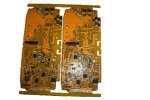
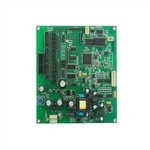
In the realm of electronics manufacturing, Printed Circuit Boards (PCBs) and Printed Circuit Board Assemblies (PCBA) are the backbone of countless devices. As a UL PCB PCBA assembly supplier, I've witnessed firsthand the significant differences between UL-compliant and non-UL PCB PCBA assemblies. Understanding these differences is crucial for businesses aiming to produce high-quality, safe, and reliable electronic products.
What is UL Compliance?
Underwriters Laboratories (UL) is a globally recognized independent safety science company. UL develops standards and conducts testing to ensure that products meet specific safety and performance criteria. When a PCB PCBA assembly is UL-compliant, it means that it has undergone rigorous testing and meets the requirements set by UL for safety, quality, and performance.
Safety and Reliability
One of the most significant differences between UL-compliant and non-UL PCB PCBA assemblies is safety. UL-compliant assemblies are designed and manufactured to meet strict safety standards, which helps to reduce the risk of electrical shock, fire, and other hazards. These assemblies are tested for various safety aspects, including electrical insulation, flammability, and mechanical integrity.
For example, UL has specific requirements for the materials used in PCB manufacturing. The laminates and soldermasks must have a certain level of flammability resistance to prevent fires in case of overheating or short circuits. Non-UL assemblies may use lower-quality materials that do not meet these standards, increasing the risk of fire and other safety issues.
Reliability is another key factor. UL-compliant assemblies are more likely to be reliable over their intended lifespan. The testing process ensures that the components are properly assembled and that the PCB can withstand the environmental conditions it will be exposed to. This includes temperature variations, humidity, and vibration. Non-UL assemblies may be more prone to failure due to poor manufacturing processes or the use of substandard components.
Market Acceptance and Regulatory Requirements
UL compliance is often a requirement in many markets, especially in North America. Many industries, such as medical, industrial, and consumer electronics, have strict regulations that mandate the use of UL-compliant components. For instance, in the medical device industry, the safety and reliability of electronic components are of utmost importance. Using a UL-compliant PCB PCBA assembly can help manufacturers meet the regulatory requirements and gain market acceptance.
PCB PCBA For Medical Device is an example of a product that needs to meet high safety standards. Medical devices are often life-critical, and any failure in the electronic components can have serious consequences. UL compliance provides assurance to both manufacturers and end-users that the product has been tested and meets the necessary safety requirements.
Similarly, in the industrial sector, PCB PCBA For Industrial Devices are expected to operate in harsh environments. UL compliance ensures that these assemblies can withstand the rigors of industrial applications, such as high temperatures, dust, and moisture.
Quality Control and Manufacturing Processes
UL-compliant PCB PCBA assemblies are subject to strict quality control measures. The manufacturing process is carefully monitored to ensure that it meets the UL standards. This includes inspections at various stages of production, from raw material inspection to final testing.
For example, during the assembly process, there are specific requirements for component placement, soldering, and cleaning. UL-compliant manufacturers use advanced equipment and techniques to ensure that these processes are carried out correctly. Non-UL assemblies may not have the same level of quality control, leading to issues such as misaligned components, poor solder joints, and contamination.
In addition, UL-compliant manufacturers are required to maintain detailed records of their manufacturing processes and test results. This documentation can be crucial in case of audits or product recalls. Non-UL manufacturers may not have such comprehensive record-keeping, making it difficult to trace the source of any problems that may arise.
Cost Considerations
UL compliance does come with a cost. The testing, certification, and quality control processes involved in achieving UL compliance add to the overall cost of the PCB PCBA assembly. However, the long-term benefits often outweigh the initial investment.
For businesses, the cost of using non-UL assemblies may be higher in the long run. If a product fails to meet the safety standards or experiences reliability issues, it can lead to product recalls, liability claims, and damage to the brand reputation. On the other hand, using UL-compliant assemblies can help avoid these costly problems and ensure the long-term success of the product.
In some cases, the cost difference between UL-compliant and non-UL assemblies may not be significant, especially when considering the value of safety and reliability. For example, in the water heater industry, using a Electronic PCBA For Water Heater OEM that is UL-compliant can prevent potential safety hazards and ensure the proper functioning of the water heater. This can save the manufacturer from costly repairs and replacements.
Conclusion
As a UL PCB PCBA assembly supplier, I understand the importance of UL compliance in the electronics industry. The differences between UL-compliant and non-UL PCB PCBA assemblies are significant, ranging from safety and reliability to market acceptance and regulatory requirements. While there may be a higher upfront cost associated with UL compliance, the long-term benefits make it a worthwhile investment for businesses.
If you are in the market for high-quality, safe, and reliable PCB PCBA assemblies, I encourage you to consider UL-compliant options. Our company has extensive experience in manufacturing UL-compliant assemblies and can provide you with the products and services you need. Contact us today to discuss your specific requirements and start a partnership that will ensure the success of your electronic products.


References
- Underwriters Laboratories (UL) official website
- Industry standards and regulations related to PCB PCBA manufacturing