

Sourcing components from the United States can be a strategic move for businesses looking to access high - quality products, innovative technologies, and reliable supply chains. As a Components Sourcing supplier, I've navigated the intricacies of the US component market and am here to share some valuable insights on how to effectively source components from the United States.
Understanding the US Component Market
The United States is home to a diverse range of component manufacturers, from large - scale multinational corporations to small, specialized startups. These manufacturers produce a wide variety of components, including electronic parts, mechanical components, and chemical materials.
One of the key advantages of sourcing components from the US is the emphasis on quality and innovation. American companies often invest heavily in research and development, resulting in components that are at the forefront of technological advancement. Additionally, the US has strict quality control standards, which means that the components you source are likely to meet high - quality benchmarks.
However, it's important to note that the US component market can also be competitive and complex. There are numerous regulations and compliance requirements that need to be considered, especially when it comes to importing components into other countries.
Identifying Your Component Needs
Before you start sourcing components from the United States, it's crucial to have a clear understanding of your specific requirements. This includes the type of components you need, the quantity, the quality standards, and the budget.
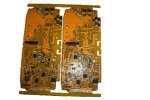
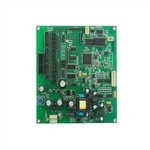
For example, if you're in the electronics industry, you might be looking for PCBA Components Sourcing. This could involve printed circuit board assembly components such as resistors, capacitors, and integrated circuits. Understanding the exact specifications of these components, such as their electrical ratings and physical dimensions, is essential for finding the right suppliers.
If your project involves surface - mount technology (SMT) and through - hole technology (THT) in printed circuit board assembly, you'll need to focus on SMT SMD And THT DIP PCBA Resourcing. This requires a detailed knowledge of the different types of SMT and THT components and their compatibility with your manufacturing processes.
Researching Potential Suppliers
Once you've identified your component needs, the next step is to research potential suppliers in the United States. There are several ways to do this:
Industry Directories
Industry directories are a great starting point. Websites like ThomasNet and GlobalSpec list thousands of US - based component manufacturers and suppliers. You can search for suppliers based on the type of components you need, their location, and their certifications.
Trade Shows
Attending trade shows related to your industry is another effective way to meet suppliers in person. Shows like the Consumer Electronics Show (CES) and the International Manufacturing Technology Show (IMTS) attract component manufacturers from across the United States. You can see their products firsthand, ask questions, and establish initial contacts.
Online Marketplaces
Online marketplaces such as eBay and Alibaba also have a significant number of US - based component suppliers. These platforms allow you to compare prices, read reviews from other buyers, and make direct purchases.
Referrals
Don't underestimate the power of referrals. Reach out to other businesses in your industry and ask for recommendations for reliable US component suppliers. Personal referrals can often lead you to high - quality suppliers that you might not have found through other channels.
Evaluating Suppliers
After you've compiled a list of potential suppliers, it's important to evaluate them thoroughly. Here are some factors to consider:
Quality
Quality should be your top priority. Ask suppliers about their quality control processes, certifications (such as ISO 9001), and their track record of producing high - quality components. Request samples if possible to test the quality of their products.
Capacity
Ensure that the supplier has the capacity to meet your quantity requirements. This includes their production capabilities, inventory levels, and lead times. A supplier that can't meet your demand in a timely manner could disrupt your production schedule.
Price
While price is an important factor, it shouldn't be the only one. Compare the prices of different suppliers, but also consider the quality of the components and the value - added services they offer. A slightly higher - priced component from a reliable supplier might be a better long - term investment.
Location
The location of the supplier can affect shipping costs and lead times. If possible, choose a supplier that is located close to your manufacturing facility or shipping destination to reduce transportation costs and delivery times.
Customer Service
Good customer service is essential. A supplier that is responsive to your inquiries, provides clear communication, and is willing to work with you to solve problems can make the sourcing process much smoother.
Negotiating with Suppliers
Once you've identified a suitable supplier, it's time to start negotiating. Here are some tips for successful negotiations:
Be Prepared
Before entering into negotiations, do your research on the market price of the components, the supplier's cost structure, and their competitors' offers. This will give you a strong position when negotiating the price, terms, and conditions.
Focus on Win - Win Solutions
Negotiations should be a win - win situation for both you and the supplier. Instead of trying to squeeze the supplier on price, look for ways to add value for both parties. For example, you could offer a long - term contract in exchange for a lower price or better payment terms.
Communicate Clearly
Be clear about your requirements, expectations, and limitations. Make sure the supplier understands your needs and is willing to meet them. Avoid any misunderstandings that could lead to disputes later on.
Managing the Sourcing Process
After you've negotiated a deal with the supplier, it's important to manage the sourcing process effectively. This includes:
Order Placement
Place your order in writing, clearly specifying the components, quantity, price, delivery date, and payment terms. Keep a copy of the order confirmation for your records.
Quality Inspection
Upon receipt of the components, conduct a thorough quality inspection. This could involve visual inspections, functional tests, or third - party testing if necessary. If any components are found to be defective, contact the supplier immediately to arrange for replacements or refunds.
Logistics and Shipping
Coordinate the logistics and shipping of the components. Choose a reliable shipping method and carrier to ensure that the components arrive at your facility in good condition and on time. Keep track of the shipment status and communicate with the supplier if there are any delays or issues.
Payment
Make payments according to the agreed - upon terms. If possible, use secure payment methods to protect your financial information. Keep records of all payments for accounting and auditing purposes.
Overcoming Challenges in Sourcing from the US
Sourcing components from the United States can come with its challenges. Here are some common issues and how to overcome them:
Regulatory Compliance
The US has various regulations and compliance requirements, especially for components in industries such as electronics, aerospace, and healthcare. Make sure you understand these regulations and work with a supplier that is compliant. You may also need to consult with a customs broker or regulatory expert to ensure that your imports meet all the necessary requirements.
Currency Fluctuations
If you're sourcing components from the US and your business operates in a different currency, currency fluctuations can affect the cost of your components. Consider using hedging strategies or working with a supplier that can offer fixed - price contracts in your currency to mitigate this risk.


Intellectual Property Protection
When sourcing components, it's important to protect your intellectual property. Make sure the supplier has appropriate measures in place to safeguard your designs, specifications, and other confidential information. Consider signing non - disclosure agreements (NDAs) with the supplier before sharing any sensitive information.
Conclusion
Sourcing components from the United States can be a rewarding experience if done correctly. By understanding the US component market, identifying your needs, researching and evaluating suppliers, negotiating effectively, and managing the sourcing process, you can access high - quality components and build strong partnerships with US suppliers.
If you're interested in learning more about our Components Sourcing services or would like to start a procurement discussion, please reach out. We're here to help you navigate the US component market and find the best solutions for your business.
References
- "The Handbook of Supply Chain Management" by David Simchi - Levi, Philip Kaminsky, and Edith Simchi - Levi
- "Strategic Sourcing in the New Economy" by Peter Kraljic
- Industry reports from organizations such as the Institute for Supply Management (ISM)