


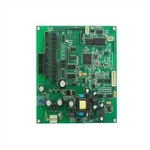
In the dynamic landscape of consumer product development, sourcing the right components is a pivotal step that can make or break the success of a project. As a seasoned Components Sourcing provider, I've navigated the complexities of this field and am excited to share my insights on how to source components for a consumer product effectively.
Understanding the Product Requirements
The first and most crucial step in component sourcing is a thorough understanding of the consumer product's requirements. This involves delving into the product's functionality, performance specifications, design constraints, and target market. For instance, if you're developing a high - end smartphone, you'll need components that can support advanced features such as high - resolution displays, powerful processors, and long - lasting batteries. On the other hand, a budget - friendly smartwatch may require more cost - effective components without sacrificing basic functionality.
It's essential to create a detailed bill of materials (BOM) that lists all the components needed for the product. This BOM should include specifications such as part numbers, quantities, and technical requirements. By having a comprehensive BOM, you can streamline the sourcing process and ensure that you're sourcing the right components from the start.
Researching Component Suppliers
Once you have a clear understanding of your product requirements, the next step is to research potential component suppliers. There are several ways to find suppliers, including online directories, industry trade shows, and referrals from other professionals in the field.
Online directories are a great starting point as they provide a vast database of suppliers. You can search for suppliers based on the type of components you need, their location, and their reputation. Some well - known online directories include ThomasNet, Alibaba, and Global Sources. These platforms allow you to compare different suppliers, read reviews, and even request quotes directly.
Industry trade shows are another excellent resource for finding suppliers. These events bring together manufacturers, distributors, and other industry players under one roof. You can meet suppliers face - to - face, see their products in person, and discuss your specific requirements. Trade shows also offer the opportunity to stay updated on the latest industry trends and technologies.
Referrals from other professionals can be invaluable. If you know someone who has successfully sourced components for a similar consumer product, reach out to them for recommendations. They can provide insights into the supplier's reliability, quality of products, and customer service.
Evaluating Supplier Capabilities
When you've identified a list of potential suppliers, it's time to evaluate their capabilities. This involves assessing their manufacturing processes, quality control measures, production capacity, and financial stability.
Manufacturing processes play a crucial role in determining the quality of the components. You should look for suppliers who use modern and efficient manufacturing techniques. For example, if you're sourcing PCBA Components Sourcing, suppliers who have experience with surface - mount technology (SMT) and through - hole technology (THT) are preferable. You can ask suppliers for details about their manufacturing processes, including the equipment they use and the steps involved in production.
Quality control is another critical aspect. A reliable supplier should have a robust quality control system in place to ensure that the components meet your specifications. This may include in - house testing, inspections at various stages of production, and compliance with international quality standards such as ISO 9001. You can request samples from suppliers to test the quality of their components before placing a large order.
Production capacity is also important, especially if you're planning to scale up production in the future. You need to ensure that the supplier can meet your current and future demand. Ask suppliers about their production lead times, maximum production volume, and their ability to handle rush orders.
Financial stability is often overlooked but is essential for a long - term partnership. A financially stable supplier is less likely to face production disruptions due to cash flow problems. You can check the supplier's financial statements, credit ratings, and their history of business operations.
Negotiating Terms and Pricing
Once you've selected a supplier, the next step is to negotiate the terms and pricing. This is where your negotiation skills come into play.
When it comes to pricing, it's important to have a clear understanding of the market rates for the components you're sourcing. You can gather price information from multiple suppliers to get an idea of the average price range. Use this information as a basis for your negotiation. You can also try to negotiate volume discounts if you're planning to place a large order.
In addition to pricing, you should also negotiate other terms such as payment terms, delivery schedules, and return policies. For example, you may want to negotiate for a longer payment term to improve your cash flow. You should also ensure that the delivery schedule aligns with your production timeline. A clear return policy is also important in case you receive defective components.
Managing the Supply Chain
After finalizing the sourcing agreement, the next challenge is to manage the supply chain effectively. This involves monitoring the production progress, ensuring timely delivery of components, and dealing with any issues that may arise.
Regular communication with the supplier is key to successful supply chain management. You should establish a communication channel with the supplier and schedule regular updates on the production status. This will help you identify and address any potential problems early on.
You should also have a contingency plan in place in case of supply chain disruptions. For example, if a supplier faces production delays due to unforeseen circumstances such as natural disasters or labor strikes, you should have alternative suppliers lined up.
Quality Assurance and Testing
Even after the components are delivered, your work is not done. Quality assurance and testing are essential to ensure that the components meet your product's requirements.
You can conduct in - house testing or hire a third - party testing agency to perform comprehensive tests on the components. This may include functional tests, performance tests, and reliability tests. For SMT SMD And THT DIP PCBA Resourcing, you may need to test the electrical properties, soldering quality, and signal integrity of the printed circuit boards.
If any issues are identified during the testing process, you should work with the supplier to resolve them. This may involve rework, replacement of defective components, or making adjustments to the manufacturing process.


Building Long - Term Relationships
Finally, building long - term relationships with your suppliers is crucial for the success of your consumer product development. A strong relationship with a supplier can lead to better pricing, improved quality, and more reliable delivery.
You can build a long - term relationship by being a reliable customer. Pay your bills on time, provide clear and timely feedback, and communicate your future plans with the supplier. You can also look for opportunities to collaborate with the supplier on product development projects. For example, you can work together to improve the design of the components or to develop new products.
In conclusion, sourcing components for a consumer product is a complex but rewarding process. By following these steps, you can increase your chances of sourcing high - quality components at a reasonable price, while also building strong relationships with your suppliers. If you're in the process of sourcing components for your consumer product, I'd be more than happy to assist you. Feel free to reach out to me to start a procurement discussion.
References
- "Supply Chain Management: Strategy, Planning, and Operation" by Sunil Chopra and Peter Meindl
- "Purchasing and Supply Chain Management" by Robert M. Monczka, Robert B. Handfield, Larry C. Giunipero, and James L. Patterson
- Industry reports and whitepapers from leading market research firms such as Gartner and IDC.