

Hey there! As a supplier in the Prototype PCB Assembly business, I know firsthand how crucial it is to optimize costs without compromising on quality. In this blog, I'm gonna share some tips and tricks that can help you get the most bang for your buck when it comes to prototype PCB assembly.


Understanding the Basics of Prototype PCB Assembly Costs
Before we dive into the optimization strategies, let's take a quick look at what makes up the cost of prototype PCB assembly. There are several factors at play here, including the cost of materials, labor, equipment, and overhead.
The materials used in PCB assembly, such as the printed circuit board itself, components, solder, and flux, can account for a significant portion of the total cost. Labor costs are also a major factor, especially if you're working with a skilled team of technicians who can ensure high-quality assembly. Equipment costs, including the cost of pick-and-place machines, soldering equipment, and testing tools, also need to be factored in. And don't forget about overhead costs, such as rent, utilities, and insurance.
Strategies for Optimizing Prototype PCB Assembly Costs
1. Design for Manufacturability (DFM)
One of the most effective ways to optimize the cost of prototype PCB assembly is to design your PCB with manufacturability in mind. This means making sure that your design is easy to assemble, test, and repair.
- Simplify the Design: Keep your PCB design as simple as possible. Avoid using complex geometries, unnecessary vias, and tight component spacing. A simpler design will not only reduce the cost of materials but also make the assembly process faster and more efficient.
- Use Standard Components: Whenever possible, use standard components that are readily available in the market. This will not only reduce the cost of components but also make it easier to source replacements if needed.
- Optimize Component Placement: Pay attention to the placement of components on your PCB. Group similar components together and ensure that there is enough space between components for easy assembly and testing.
2. Source Components Wisely
The cost of components can have a significant impact on the overall cost of prototype PCB assembly. Here are some tips for sourcing components wisely:
- Compare Prices: Don't just go with the first supplier you find. Take the time to compare prices from different suppliers to get the best deal. You can use online marketplaces and component search engines to find the lowest prices.
- Buy in Bulk: If you're planning to assemble multiple prototypes, consider buying components in bulk. Many suppliers offer discounts for bulk orders, which can help you save money in the long run.
- Consider Alternative Components: In some cases, you may be able to use alternative components that are cheaper but still meet your requirements. However, make sure to test these components thoroughly before using them in your prototypes.
3. Choose the Right Assembly Process
There are several different assembly processes available for prototype PCB assembly, including through-hole assembly, surface mount technology (SMT), and a combination of both. The choice of assembly process can have a significant impact on the cost and quality of your prototypes.
- SMT Assembly: SMT is generally faster and more cost-effective than through-hole assembly, especially for high-volume production. It also allows for smaller component sizes and higher component density, which can reduce the size and weight of your PCB.
- Through-Hole Assembly: Through-hole assembly is still used for some applications, especially those that require high mechanical strength or reliability. However, it is generally more labor-intensive and expensive than SMT assembly.
- Hybrid Assembly: In some cases, a combination of SMT and through-hole assembly may be the best option. This allows you to take advantage of the benefits of both processes while minimizing the drawbacks.
4. Optimize Testing and Inspection
Testing and inspection are essential steps in the prototype PCB assembly process to ensure that your prototypes meet the required quality standards. However, these steps can also add to the overall cost. Here are some tips for optimizing testing and inspection:
- Use Automated Testing Equipment: Automated testing equipment, such as in-circuit testers (ICT) and flying probe testers, can significantly reduce the time and cost of testing. These machines can quickly and accurately test your prototypes for a variety of faults, including shorts, opens, and component values.
- Implement Statistical Process Control (SPC): SPC is a quality control technique that involves monitoring and controlling the production process to ensure that it is operating within acceptable limits. By implementing SPC, you can identify and correct any issues early in the production process, which can reduce the cost of rework and scrap.
- Conduct In-Process Inspection: In-process inspection involves inspecting your prototypes at various stages of the assembly process to identify and correct any issues before they become major problems. This can help you reduce the cost of rework and scrap and improve the overall quality of your prototypes.
Real-World Examples
Let's take a look at some real-world examples of how these strategies can be applied to optimize the cost of prototype PCB assembly.
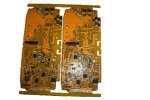
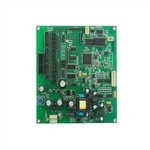
- Weighing Scale Board Pcba Prototype: Weighing Scale Board Pcba Prototype is a great example of how DFM can be used to optimize costs. By simplifying the design, using standard components, and optimizing component placement, the cost of materials and labor can be significantly reduced.
- Multi-layer Board Medical Electronics: Multi-layer Board Medical Electronics is another example where sourcing components wisely can make a big difference. By comparing prices from different suppliers and buying in bulk, the cost of components can be reduced, which in turn reduces the overall cost of the prototype.
- Pcba Prototype Electrician Pcb Assembly: Pcba Prototype Electrician Pcb Assembly demonstrates how choosing the right assembly process can optimize costs. By using SMT assembly for the majority of the components and through-hole assembly only where necessary, the cost of assembly can be reduced while still maintaining high quality.
Conclusion
Optimizing the cost of prototype PCB assembly is a challenging but achievable goal. By following the strategies outlined in this blog, such as designing for manufacturability, sourcing components wisely, choosing the right assembly process, and optimizing testing and inspection, you can significantly reduce the cost of your prototypes without compromising on quality.
If you're interested in learning more about how we can help you optimize the cost of your prototype PCB assembly, or if you have any questions or need a quote, feel free to reach out to us. We're here to help you get the best possible results for your project.
References
- "Design for Manufacturability Handbook" by Peter Stark
- "PCB Assembly: A Practical Guide" by John Doe
- "Cost Optimization in Electronics Manufacturing" by Jane Smith