

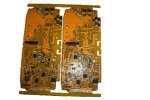
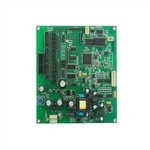
In the realm of modern electronics, Surface Mount Technology (SMT) Printed Circuit Boards (PCBs) play a pivotal role. As an SMT PCB supplier, we understand the significance of ensuring optimal thermal performance of these boards. Thermal management is crucial as excessive heat can lead to a range of issues, from reduced component lifespan to overall system failure. In this blog, we will explore various strategies and techniques that can be employed to enhance the thermal performance of SMT PCBs.
Understanding the Basics of Thermal Management in SMT PCBs
Before delving into the improvement methods, it's essential to understand the fundamental principles of thermal management in SMT PCBs. Heat is generated by the electronic components on the board during operation. This heat needs to be dissipated efficiently to maintain proper functioning. The main factors influencing heat transfer in PCBs are the thermal conductivity of the board material, the layout of components, and the presence of heat sinks or other cooling mechanisms.
The thermal conductivity of the PCB material is a critical factor. Common PCB materials, such as FR - 4, have relatively low thermal conductivity. This means that they do not transfer heat well, which can lead to heat buildup. Selecting a material with higher thermal conductivity can significantly improve the board's ability to dissipate heat. For example, metal - core PCBs (MCPCBs) have much better thermal conductivity compared to traditional FR - 4 boards. MCPCBs consist of a metal base layer, an insulating layer, and a copper circuit layer. The metal base, usually aluminum or copper, acts as an excellent heat conductor, allowing heat to be transferred away from the components more effectively.
Component Placement and Layout
The way components are placed and laid out on the PCB has a profound impact on its thermal performance. Components that generate a large amount of heat, such as power transistors and microcontrollers, should be placed in areas where they have good access to cooling. Avoid clustering high - power components together, as this can create hot spots on the board. Instead, distribute them evenly across the PCB to spread the heat more uniformly.
Another important aspect of component placement is the consideration of airflow. If the PCB is to be used in a system with forced air cooling, such as a fan - cooled enclosure, the components should be arranged in a way that allows for smooth airflow. For example, components should be aligned parallel to the direction of airflow to minimize resistance. Additionally, leaving sufficient space between components can improve airflow and enhance heat dissipation.
Thermal Vias
Thermal vias are small holes drilled through the PCB that are filled with a conductive material, such as copper. They serve as a pathway for heat to transfer from one layer of the PCB to another. In SMT PCBs, thermal vias can be used to transfer heat from the top layer, where the components are mounted, to the bottom layer or inner layers of the board. This helps to spread the heat more evenly and ultimately reduce the temperature of the components.
The design of thermal vias is crucial for their effectiveness. The diameter, pitch, and density of the vias all affect their heat - transfer capabilities. Generally, larger - diameter vias and a higher density of vias result in better heat transfer. However, there are practical limitations to the size and density of vias, such as manufacturing constraints and space availability on the board.
Heat Sinks
Heat sinks are one of the most common methods used to enhance the thermal performance of SMT PCBs. A heat sink is a passive cooling device that is attached to a heat - generating component to increase its surface area for heat dissipation. Heat sinks are typically made of materials with high thermal conductivity, such as aluminum or copper.
When selecting a heat sink for an SMT PCB, several factors need to be considered. The size and shape of the heat sink should be compatible with the component and the available space on the board. The heat sink should also be able to dissipate the amount of heat generated by the component. Additionally, the interface between the heat sink and the component is crucial. A thermal compound or pad can be used to fill any gaps between the two surfaces, improving thermal contact and enhancing heat transfer.
Advanced Cooling Techniques
In some high - power applications, traditional cooling methods may not be sufficient. In such cases, advanced cooling techniques can be employed. Liquid cooling is one such technique. In a liquid - cooled system, a coolant is circulated through a closed loop that is in contact with the PCB or the heat - generating components. The coolant absorbs the heat and transfers it to a radiator, where it is dissipated. Liquid cooling can provide much higher cooling capacity compared to air cooling, making it suitable for applications with extremely high heat loads.
Another advanced cooling technique is the use of thermoelectric coolers (TECs). TECs are solid - state devices that use the Peltier effect to create a temperature difference. A TEC can be used to actively cool a component on the PCB by transferring heat from one side of the device to the other. TECs are particularly useful in applications where precise temperature control is required.
Case Studies
Let's take a look at some real - world examples of how these thermal management techniques have been applied. Consider a Solar Inverter Control PCBA. Solar inverters generate a significant amount of heat during operation. To ensure optimal performance, the PCB in the solar inverter control unit uses a combination of thermal vias, high - thermal - conductivity materials, and heat sinks. The thermal vias transfer heat from the power components on the top layer to the inner layers of the PCB, while the heat sinks further dissipate the heat into the surrounding air. The use of high - thermal - conductivity materials helps to improve the overall heat - transfer efficiency of the board.
In the case of a PCB Assembly Industrial Control system, where the PCB is often exposed to harsh environmental conditions and high power densities, advanced cooling techniques may be necessary. Liquid cooling can be used to keep the components at a safe operating temperature, ensuring the long - term reliability of the system.
Similarly, for Traffic Light Pcb Assembly, proper thermal management is essential. Traffic lights are often exposed to direct sunlight, which can cause the temperature of the PCB to rise. By using appropriate component placement, thermal vias, and heat sinks, the PCB can be designed to effectively dissipate the heat and prevent damage to the components.


Conclusion
Improving the thermal performance of SMT PCBs is a multi - faceted challenge that requires careful consideration of various factors, from material selection and component placement to the use of advanced cooling techniques. As an SMT PCB supplier, we are committed to providing high - quality boards that meet the thermal management requirements of our customers. Whether you are in the solar inverter, industrial control, or traffic light industry, we have the expertise and capabilities to design and manufacture SMT PCBs with optimal thermal performance.
If you are looking for an SMT PCB supplier who can help you solve your thermal management challenges, we encourage you to contact us to discuss your specific requirements. Our team of experts is ready to work with you to develop customized solutions that meet your needs.
References
- "Thermal Management of Electronic Systems" by Ali Mehrabian
- "Printed Circuit Board Design: Layout and Thermal Considerations" published by the Institute of Electrical and Electronics Engineers (IEEE)
- Technical papers from leading PCB manufacturers and component suppliers on thermal management in SMT PCBs.