

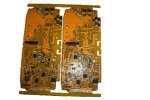
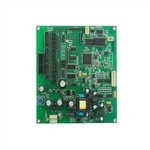
Ensuring the signal transmission quality on a PCBA (Printed Circuit Board Assembly) is crucial for the proper functioning of electronic devices. As a PCB PCBA supplier, we understand the significance of high - quality signal transmission and have developed a comprehensive approach to guarantee it. In this blog, we will explore various factors that affect signal transmission quality and the strategies we employ to address them.
Understanding Signal Transmission on PCBA
Before delving into the methods of ensuring signal quality, it is essential to understand how signals are transmitted on a PCBA. Signals travel through conductive traces on the PCB, which act as pathways for electrical current. The quality of these traces, along with other components on the board, can significantly impact signal integrity.
Factors Affecting Signal Transmission Quality
1. Trace Design
The design of the conductive traces on the PCB plays a vital role in signal transmission. Factors such as trace width, length, and spacing can affect signal attenuation, impedance, and crosstalk. For example, a narrow trace may have higher resistance, leading to signal loss. On the other hand, improper spacing between traces can cause crosstalk, where signals from one trace interfere with another.
To address these issues, we use advanced PCB design software that allows us to optimize trace design. We carefully calculate the appropriate trace width based on the signal current and impedance requirements. Additionally, we ensure sufficient spacing between traces to minimize crosstalk. Our design team also takes into account the routing of traces to avoid sharp bends and loops, which can introduce signal reflections.
2. Material Selection
The choice of materials for the PCB and its components is another critical factor. The dielectric material between the conductive layers affects the signal propagation speed and impedance. High - quality dielectric materials with low loss tangents can reduce signal attenuation.
We source materials from reputable suppliers and conduct thorough quality checks. For example, we use high - grade FR - 4 laminates for most of our PCBs, which offer good electrical properties and mechanical stability. When it comes to components, we select those with high - quality electrical characteristics to ensure reliable signal transmission.
3. Component Placement
The placement of components on the PCBA can also impact signal quality. Components that generate electromagnetic interference (EMI), such as power supplies and high - speed processors, need to be placed carefully to prevent interference with sensitive components.
Our engineers follow strict component placement guidelines. We separate analog and digital components to minimize interference between the two types of signals. We also place decoupling capacitors close to the power pins of integrated circuits to reduce power supply noise. By optimizing component placement, we can improve the overall signal integrity of the PCBA.
4. Power Supply Design
A stable power supply is essential for reliable signal transmission. Fluctuations in the power supply can introduce noise into the signals. We design power supply circuits with proper filtering and regulation to ensure a clean and stable power source.


We use techniques such as multi - layer power planes to distribute power evenly across the PCB. Decoupling capacitors are used to filter out high - frequency noise, and voltage regulators are employed to maintain a constant voltage level. By providing a stable power supply, we can prevent signal degradation caused by power - related issues.
Testing and Quality Control
To ensure the signal transmission quality of our PCBA products, we have a rigorous testing and quality control process in place.
1. In - Circuit Testing (ICT)
ICT is used to test the electrical connectivity of the components on the PCBA. It can detect issues such as short circuits, open circuits, and incorrect component values. By performing ICT, we can identify and correct any manufacturing defects early in the production process.
2. Functional Testing
Functional testing is carried out to verify that the PCBA performs its intended functions correctly. We simulate real - world operating conditions to test the signal transmission and overall performance of the board. This helps us ensure that the PCBA meets the customer's requirements.
3. Signal Integrity Testing
We also conduct specialized signal integrity testing using advanced equipment. This includes measuring parameters such as signal amplitude, frequency, and rise/fall times. By analyzing these parameters, we can determine if the signal is being transmitted accurately and without significant distortion.
Applications and Case Studies
Our expertise in ensuring signal transmission quality has been applied to various industries. For example, we offer PCB PCBA For Industrial Devices, where reliable signal transmission is crucial for the operation of industrial machinery and control systems.
In the consumer electronics sector, we provide GPS Remote Positioning Intelligent Bracelet PCBA assembly service. The accurate transmission of GPS signals and other data is essential for the proper functioning of these devices.
Another example is our Electric Shaver PCBA. In this application, stable signal transmission is required to control the motor and other functions of the shaver.
Conclusion and Call to Action
Ensuring the signal transmission quality on a PCBA is a complex but essential task. At our company, we are committed to providing high - quality PCBA products with excellent signal integrity. We use advanced design techniques, high - quality materials, and rigorous testing processes to achieve this goal.
If you are in need of reliable PCB PCBA solutions, we invite you to contact us for procurement and further discussion. Our team of experts is ready to assist you in finding the best solutions for your specific requirements.
References
- "Printed Circuit Board Design: Principles and Applications" by John Doe
- "Signal Integrity in High - Speed Digital Design" by Jane Smith
- Industry standards and guidelines from relevant electronic associations.