

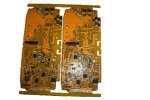
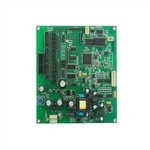
Conformal coating is a protective layer applied to printed circuit board assemblies (PCBA) to safeguard them from environmental factors such as moisture, dust, chemicals, and temperature variations. As an Electronic PCBA Assembly supplier, I understand the critical role that conformal coating plays in enhancing the reliability and longevity of electronic devices. In this blog, I will share my insights on how to apply conformal coating in Electronic PCBA Assembly.
Understanding Conformal Coating
Conformal coating is a thin polymeric film that conforms to the contours of the PCBA, providing a barrier between the components and the external environment. There are several types of conformal coatings available, each with its own unique properties and applications. The most common types include acrylic, silicone, urethane, and epoxy.
- Acrylic Coatings: These coatings are easy to apply and remove, making them a popular choice for prototyping and low-cost applications. They offer good protection against moisture and dust but may not be suitable for harsh chemical environments.
- Silicone Coatings: Silicone coatings provide excellent flexibility and high-temperature resistance, making them ideal for applications where the PCBA is exposed to extreme temperatures or vibrations. They also offer good protection against moisture and chemicals.
- Urethane Coatings: Urethane coatings offer a combination of good mechanical properties, chemical resistance, and moisture protection. They are commonly used in applications where the PCBA is exposed to harsh environmental conditions.
- Epoxy Coatings: Epoxy coatings provide high adhesion and excellent protection against moisture, chemicals, and abrasion. They are often used in applications where the PCBA requires a high level of protection, such as in military and aerospace electronics.
Preparing the PCBA for Conformal Coating
Before applying conformal coating, it is essential to prepare the PCBA properly to ensure a high-quality coating. The following steps should be followed:
- Clean the PCBA: The PCBA should be thoroughly cleaned to remove any dirt, dust, flux residues, or other contaminants. This can be done using a suitable cleaning agent and a cleaning process such as ultrasonic cleaning or spray cleaning.
- Masking: Any areas of the PCBA that do not require coating, such as connectors, test points, or heat sinks, should be masked off using masking tape or other masking materials. This will prevent the coating from covering these areas and ensure that they remain functional.
- Inspect the PCBA: After cleaning and masking, the PCBA should be inspected to ensure that it is free of any defects or damage. Any damaged components or areas should be repaired or replaced before applying the coating.
Applying Conformal Coating
There are several methods available for applying conformal coating, including brushing, spraying, dipping, and selective coating. The choice of application method depends on the type of coating, the size and complexity of the PCBA, and the production volume.
- Brushing: Brushing is a simple and cost-effective method of applying conformal coating, especially for small PCBs or for touch-up applications. However, it can be time-consuming and may not provide a uniform coating thickness.
- Spraying: Spraying is the most common method of applying conformal coating, as it provides a uniform coating thickness and can be used for large production volumes. There are several types of spraying equipment available, including air-assisted spray guns, airless spray guns, and electrostatic spray guns.
- Dipping: Dipping involves immersing the PCBA in a bath of conformal coating, allowing the coating to cover all surfaces of the PCBA. This method is suitable for large PCBs or for applications where a thick coating is required. However, it can be difficult to control the coating thickness and may result in excess coating on the edges of the PCBA.
- Selective Coating: Selective coating is a precision coating method that uses a robotic dispenser to apply the coating only to specific areas of the PCBA. This method is suitable for applications where only certain components or areas of the PCBA require protection, such as in Medical Electronic PCBA Assembly or Handheld Medical Testing Equipment PCBA.
Curing the Conformal Coating
After applying the conformal coating, it is essential to cure the coating properly to ensure that it provides the desired level of protection. The curing process depends on the type of coating and the manufacturer's recommendations. There are several methods available for curing conformal coating, including air drying, heat curing, and ultraviolet (UV) curing.
- Air Drying: Air drying is the simplest and most cost-effective method of curing conformal coating. It involves allowing the coating to dry at room temperature for a specified period of time. However, this method can be slow and may not be suitable for all types of coatings.
- Heat Curing: Heat curing involves heating the PCBA to a specific temperature for a specified period of time to cure the coating. This method is faster than air drying and can be used for a wider range of coatings. However, it requires the use of a curing oven and may not be suitable for PCBs with heat-sensitive components.
- UV Curing: UV curing involves exposing the PCBA to ultraviolet light to cure the coating. This method is very fast and can be used for a wide range of coatings. However, it requires the use of a UV curing lamp and may not be suitable for all types of coatings.
Post-Coating Inspection
After curing the conformal coating, the PCBA should be inspected to ensure that the coating has been applied correctly and that it provides the desired level of protection. The following checks should be performed:


- Visual Inspection: The PCBA should be visually inspected to ensure that the coating is uniform and free of any defects such as bubbles, cracks, or runs.
- Thickness Measurement: The thickness of the coating should be measured using a coating thickness gauge to ensure that it meets the specified requirements.
- Adhesion Test: An adhesion test should be performed to ensure that the coating adheres properly to the PCBA. This can be done using a cross-cut test or a tape test.
- Functional Test: The PCBA should be functionally tested to ensure that the coating has not affected the performance of the components or the overall functionality of the PCBA.
Conclusion
Applying conformal coating is an important step in the Electronic PCBA Assembly process, as it provides protection against environmental factors and enhances the reliability and longevity of electronic devices. By following the steps outlined in this blog, you can ensure that the conformal coating is applied correctly and that it provides the desired level of protection.
If you are looking for a reliable Electronic PCBA Assembly supplier that offers high-quality conformal coating services, please feel free to contact us for more information. We have extensive experience in Portable Power Station Pcba Pcb Assembly and other types of PCBA Assembly, and we are committed to providing our customers with the best possible products and services.
References
- "Conformal Coating Handbook", available from conformal coating manufacturers.
- IPC-CC-830B: Requirements and Test Methods for Electrical Insulating Compound for Printed Wiring Assemblies.