

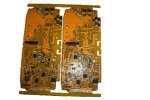
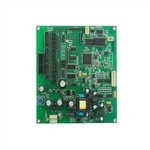
Hey there! As a supplier in the Electronic PCBA Assembly business, I've been diving deep into the world of traceability. Traceability in PCBA assembly is super crucial, not just for quality control but also for customer satisfaction and regulatory compliance. In this blog, I'm gonna share some insights on how to achieve traceability in Electronic PCBA Assembly.


Why Traceability Matters
First off, let's talk about why traceability is such a big deal. In the electronic PCBA assembly process, there are so many components and steps involved. From sourcing the raw materials to the final product, any small issue at any stage can lead to big problems down the line. Traceability allows us to track every single component, every process step, and every test result. This way, if there's a problem with a product, we can quickly figure out where it went wrong, whether it's a faulty component, a mistake in the assembly process, or an issue with the testing.
For example, in industries like medical products, traceability is non - negotiable. High - precision printed circuit boards are used in medical devices, and any malfunction can have serious consequences. That's why having detailed traceability information is essential. You can learn more about High Precision Printed Circuit Boards in Medical Products. It ensures that the products meet the strict quality and safety standards required in the medical field.
Starting with Component Sourcing
The journey to traceability begins at the very start: component sourcing. When we buy components, we need to work with reliable suppliers who can provide detailed information about the parts. This includes the manufacturer, the batch number, the production date, and any relevant quality certifications.
We should also implement a system to record all this information as soon as the components arrive at our facility. A digital database is a great way to store this data, making it easy to access and search later. For instance, if a component fails during the assembly process or in the final product, we can quickly look up its origin and check if there are any known issues with that batch.
Assembly Process Tracking
During the assembly process, we need to keep a close eye on every step. This can be done through a combination of manual and automated methods. For manual tracking, workers can use barcode scanners or tablets to record when a component is added, which machine was used, and who performed the task.
Automated systems, on the other hand, can provide even more detailed information. For example, some advanced assembly machines can automatically record the time, temperature, and pressure settings during soldering. This data is invaluable for quality control and traceability. If there's a problem with a solder joint, we can review the machine's records to see if the soldering process was within the acceptable parameters.
Testing and Inspection
Testing and inspection are key stages in ensuring traceability. After each assembly step, we should perform tests to check the functionality and quality of the PCBA. These test results should be recorded along with the relevant component and process information.
For example, if a PCBA fails a functionality test, we can look back at the component sourcing data, the assembly process records, and the previous test results to identify the root cause. This not only helps us fix the problem but also prevents similar issues from occurring in future production runs.
Product Serialization
One of the most effective ways to achieve traceability is through product serialization. Each PCBA should be assigned a unique serial number. This number can be printed on the board itself or on a label attached to it.
The serial number acts as a key to access all the traceability information related to that particular product. When a customer reports an issue with a PCBA, we can simply enter the serial number into our database and get a complete history of the product, from component sourcing to final testing.
Real - World Applications
Let's take a look at some real - world applications of traceability in PCBA assembly. In the home energy storage industry, PCBA for intelligent thermostats play a vital role. These devices need to be highly reliable and efficient. With proper traceability, we can ensure that every component in the PCBA for intelligent thermostat meets the required standards. If there's a problem with a thermostat, we can quickly trace back to the source of the issue and take appropriate action.
Another important application is in the electric vehicle (EV) industry. PCBA For EV Inverters are critical components in electric vehicles. The performance and safety of these inverters depend on the quality of the PCBA. By implementing traceability, we can ensure that every step in the assembly of PCBA For EV Inverter is carefully monitored and documented. This helps in maintaining high - quality standards and reducing the risk of product recalls.
Challenges and Solutions
Of course, achieving traceability in PCBA assembly isn't without its challenges. One of the biggest challenges is the cost and complexity of implementing a traceability system. It requires investment in software, hardware, and training for employees.
However, the long - term benefits far outweigh the initial costs. To address the cost issue, we can start small and gradually expand the traceability system as our business grows. We can also look for cost - effective solutions, such as open - source software for data management.
Another challenge is ensuring data accuracy. With so much data being collected, there's a risk of human error or system glitches. To mitigate this, we should implement regular data audits and validation procedures. Employees should be trained to enter data correctly, and the system should have built - in checks to detect and correct errors.
Conclusion
In conclusion, achieving traceability in Electronic PCBA Assembly is a multi - step process that requires commitment and investment. It starts with component sourcing, continues through the assembly process, testing, and ends with product serialization. By implementing a comprehensive traceability system, we can improve product quality, reduce the risk of recalls, and enhance customer satisfaction.
Whether you're in the medical, home energy storage, or electric vehicle industry, traceability is a must - have. If you're interested in our PCBA assembly services and want to learn more about how we can ensure traceability for your products, don't hesitate to reach out for a procurement discussion. We're here to help you meet your quality and performance requirements.
References
- "Best Practices in PCBA Traceability", Industry Insights Magazine
- "The Importance of Traceability in Electronic Manufacturing", Electronic Components Journal