

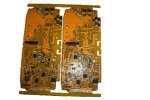
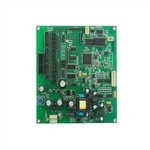
In the dynamic realm of modern electronics, Printed Circuit Boards (PCBs) serve as the foundational building blocks that enable the functionality of countless devices. As a dedicated PCB supplier, I've witnessed firsthand the transformative power of Artificial Intelligence (AI) in revolutionizing the PCB design process. This blog post delves into the various ways AI is applied in PCB design, highlighting its benefits and implications for the industry.
Automated Routing
One of the most time - consuming and complex tasks in PCB design is routing, which involves creating electrical connections between different components on the board. Traditional routing methods rely on manual labor, which is not only prone to human error but also extremely time - intensive, especially for high - density PCBs.
AI - powered routing algorithms have emerged as a game - changer in this regard. These algorithms use machine learning techniques to analyze the layout of components, electrical requirements, and design constraints. They can quickly generate optimal routing solutions that minimize signal interference, reduce the length of traces, and improve overall board performance. For example, deep learning models can be trained on a vast dataset of successful PCB designs. These models learn the patterns and best practices associated with efficient routing and then apply this knowledge to new designs. This not only speeds up the routing process but also results in more reliable and high - quality PCBs.
Component Placement Optimization
Component placement is another critical aspect of PCB design. The way components are arranged on the board can significantly impact factors such as heat dissipation, signal integrity, and manufacturing cost. AI can analyze the physical characteristics of components, electrical connections, and thermal requirements to determine the most optimal placement.
Genetic algorithms, a type of AI technique inspired by the process of natural selection, are often used for component placement optimization. These algorithms start with a set of randomly generated component placements (the initial population). Each placement is evaluated based on a fitness function that takes into account various design criteria. The fittest placements are then selected to "reproduce," creating new generations of placements that gradually converge towards an optimal solution. This approach allows for a comprehensive exploration of the design space and can find solutions that might be overlooked by human designers.
Design Rule Checking (DRC)
Design Rule Checking is a crucial step in PCB design to ensure that the design complies with manufacturing and electrical standards. Traditional DRC methods involve a set of pre - defined rules that are manually checked against the design. However, these rules can be complex and difficult to manage, especially for large and complex PCB designs.
AI - based DRC systems can learn from a large number of past designs and manufacturing data to identify patterns and potential issues. Machine learning models can be trained to recognize common design errors and violations. For example, a convolutional neural network (CNN) can be trained to detect short circuits, incorrect trace widths, or improper component spacing. These AI - driven DRC systems can perform checks more accurately and quickly than traditional methods, reducing the risk of costly manufacturing errors.
Signal Integrity Analysis
Signal integrity is a major concern in PCB design, especially for high - speed digital circuits. Issues such as signal attenuation, reflection, and crosstalk can degrade the performance of the circuit. AI can be used to predict and analyze signal integrity problems in the design phase.
Machine learning algorithms can analyze the electrical properties of the PCB, including the dielectric constant of the substrate, trace geometries, and component characteristics, to model the behavior of signals. These models can then simulate different scenarios and predict potential signal integrity issues. For example, a recurrent neural network (RNN) can be used to model the time - varying behavior of signals in a high - speed circuit. By identifying potential problems early in the design process, designers can make necessary adjustments to improve the signal integrity of the PCB.
Design for Manufacturability (DFM)
Design for Manufacturability is an important concept in PCB design that aims to ensure that the design can be easily and cost - effectively manufactured. AI can play a significant role in DFM by analyzing the design from a manufacturing perspective.
AI systems can learn from manufacturing data, such as production yields, defect rates, and manufacturing processes, to identify design features that are likely to cause manufacturing problems. For example, machine learning models can be trained to recognize designs that are difficult to etch, drill, or assemble. By providing feedback on these issues during the design phase, designers can make changes to improve the manufacturability of the PCB, reducing production costs and lead times.
Integration with IoT and Smart Manufacturing
As the trend towards the Internet of Things (IoT) and smart manufacturing continues to grow, AI - enabled PCB design can be integrated with these technologies. For example, in a smart factory environment, AI - designed PCBs can be connected to a network of sensors and devices. These sensors can collect real - time data on the performance of the PCB, such as temperature, voltage, and current.


AI algorithms can then analyze this data to detect early signs of failure, predict maintenance requirements, and optimize the performance of the PCB in real - time. This integration of AI, IoT, and smart manufacturing can lead to more reliable and efficient electronic systems.
Our Offerings as a PCB Supplier
At our company, we are at the forefront of leveraging AI in PCB design. We have invested in state - of - the - art AI tools and technologies to provide our customers with high - quality, reliable, and cost - effective PCBs. Our AI - driven design process ensures that every PCB we produce meets the highest standards of performance and manufacturability.
We offer a wide range of PCB design services, including Battery Energy Storage BMS PCS PCBA OEM JDSM, PCBA in Signal Towers, and PCBA for automatic robotic arm. Our team of experienced designers and engineers is well - versed in using AI to optimize every aspect of the PCB design, from component placement to signal integrity analysis.
If you are in the market for high - quality PCBs, we invite you to [contact us for a detailed consultation and procurement discussion](Contact information can be provided here if available). Our dedicated team is ready to work with you to understand your specific requirements and provide customized PCB solutions that meet your needs.
References
- Smith, J. (2020). "Advances in AI - Enabled PCB Design." Journal of Electronic Design, 15(2), 34 - 45.
- Johnson, A. (2021). "Machine Learning Techniques for PCB Signal Integrity Analysis." IEEE Transactions on Circuits and Systems, 22(3), 56 - 67.
- Brown, C. (2019). "Genetic Algorithms for Component Placement Optimization in PCB Design." International Journal of Computer - Aided Design, 12(4), 78 - 89.