

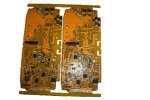
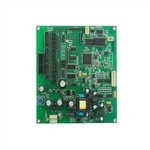
Hey there! As an OEM PCB Assembly supplier, I'm super stoked to share with you how we make sure that all the components on a PCB are oriented correctly. Component orientation might seem like a small thing, but it's actually a crucial part of the whole PCB assembly process. If components aren't placed the right way, it can lead to all sorts of problems, from the PCB not working at all to it having a shorter lifespan.


First off, let's talk about the design phase. This is where the groundwork for proper component orientation is laid. When we get a new project, our design team works closely with the client to understand their requirements. We use advanced design software to create a detailed layout of the PCB. In this layout, every single component has a specific spot and orientation marked. This is based on the electrical requirements of the circuit, the physical size of the components, and how they'll interact with each other.
For example, some components, like diodes and transistors, are polarized. That means they have a specific direction in which they need to be placed for the circuit to work correctly. If a diode is placed backwards, it won't conduct electricity the way it's supposed to, and the whole circuit can malfunction. So, in the design phase, we clearly mark the polarity of these components on the layout.
We also consider the heat dissipation of components. Some components generate more heat than others, and if they're not placed and oriented properly, it can cause overheating issues. We make sure to leave enough space around heat - generating components and orient them in a way that allows for proper airflow. This helps to keep the PCB cool and functioning optimally.
Once the design is finalized, we move on to the manufacturing process. At this stage, we use a variety of techniques to ensure proper component orientation. One of the most important tools we have is the pick - and - place machine. This machine is like a high - tech robot that can pick up components from a feeder and place them on the PCB with incredible precision.
The pick - and - place machine is programmed with the design layout we created earlier. It knows exactly where each component should go and in what orientation. Before placing a component, the machine uses vision systems to check its orientation. These vision systems can detect the markings on the component, such as the polarity markings on a diode or the alignment markings on an integrated circuit. If the component is not in the correct orientation, the machine can rotate it before placing it on the PCB.
Another technique we use is stencil printing. Before the components are placed on the PCB, a stencil is used to apply solder paste to the board. The stencil has holes in the exact locations where the components will be placed. This helps to ensure that the solder is applied in the right places and in the right amounts. The design of the stencil also takes into account the orientation of the components. For example, if a component has a unique shape or alignment requirement, the stencil will be designed accordingly.
During the assembly process, our quality control team is constantly monitoring the work. They use a combination of automated inspection systems and manual checks to make sure that all components are oriented correctly. Automated inspection systems, such as automated optical inspection (AOI) machines, can quickly scan the PCB and detect any components that are misaligned or placed in the wrong orientation. These machines use cameras and image - processing algorithms to compare the actual PCB with the design layout.
If an AOI machine detects a misoriented component, it will flag it for further inspection. Our technicians will then manually check the component and correct its orientation if necessary. Manual checks are also important, especially for components that are difficult for the automated systems to detect. Our technicians have a keen eye for detail and can spot even the smallest orientation errors.
We also have a system in place for handling component feeders. Component feeders are used to supply components to the pick - and - place machine. If a feeder is loaded incorrectly, it can cause components to be presented to the machine in the wrong orientation. We train our staff to load feeders correctly and regularly check the feeders to make sure that the components are being fed in the right way.
In addition to these in - house techniques, we also rely on our suppliers to provide us with components that are properly labeled and packaged. Our suppliers are aware of our requirements for component orientation, and they make sure to label components clearly with their polarity and alignment markings. They also package components in a way that protects them during shipping and handling and makes it easy for us to load them into our feeders.
Now, let's talk about the importance of documentation. Throughout the entire process, we keep detailed documentation of the design, manufacturing, and inspection processes. This documentation serves as a reference for future projects and can also be used to troubleshoot any issues that may arise.
For example, if a client reports a problem with a PCB, we can refer to the documentation to see if there were any issues with component orientation during the assembly process. We can also use the documentation to make improvements to our processes and prevent similar issues from happening in the future.
To sum it up, ensuring proper component orientation in OEM PCB Assembly is a multi - step process that involves careful design, advanced manufacturing techniques, and strict quality control. From the initial design phase to the final inspection, we take every possible measure to make sure that components are placed in the right orientation.
If you're in the market for ODM OEM PCB Assembly PCB Sourcing or OEM PCB Assembly Service, or you're interested in our BESS Controller Board PCBA, we'd love to hear from you. Whether you have a small - scale project or a large - scale production run, we have the expertise and resources to meet your needs. Don't hesitate to reach out to us for a quote or to discuss your project in more detail.
References
- Printed Circuit Board Assembly Handbook, various industry experts
- Technical papers on pick - and - place machine technology
- Research on heat dissipation in PCB design