

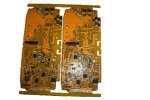
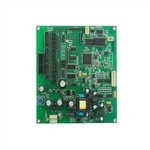
Hey there! I'm a provider of Odm Oem PCB Assembly Service, and today I wanna chat about how we ensure proper grounding in PCBs. Grounding in PCBs is super crucial, as it's like the backbone that keeps everything stable and functioning well.
First off, let's understand why grounding is so important. In a PCB, proper grounding helps to reduce electromagnetic interference (EMI). EMI can cause all sorts of problems, from signal distortion to component malfunctions. You don't want your awesome PCBA for humanoid robots to start acting up because of EMI, right? Grounding also provides a safe path for electrical currents, especially in cases of short circuits. This helps to protect the components on the PCB and reduces the risk of damage or even fire.
So, how do we go about ensuring proper grounding in PCBs at our company? Well, we start right from the design phase. Our design team is really experienced in creating PCB layouts that facilitate good grounding. They make sure to have a dedicated ground plane on the PCB. A ground plane is a large area of copper that serves as a common ground reference for all the components on the board. This helps to minimize the impedance of the ground path, which is key for reducing EMI.
When it comes to component placement, we're very strategic. We arrange the components in a way that the ground connections are as short and direct as possible. Shorter ground paths mean lower resistance, which is essential for efficient grounding. For example, if we have a component that generates a lot of noise, we place it close to the ground connection to minimize the length of the ground trace.
Another important aspect is the use of vias. Vias are holes in the PCB that connect different layers. In the context of grounding, vias are used to connect the ground plane on different layers of a multi - layer PCB. We carefully design the placement and size of vias to ensure good electrical conductivity between the ground layers. By using multiple vias in parallel, we can reduce the impedance of the ground connection, which further improves the grounding performance.
We also pay close attention to the quality of the materials used for grounding. The copper used in the ground plane and traces needs to be of high purity and have good electrical conductivity. We source our materials from reliable suppliers to ensure that we're using the best possible components for the job. And when it comes to soldering, we use high - quality solder that provides a strong and reliable electrical connection between the components and the ground traces.
In addition to the design and material aspects, we have a rigorous testing process to ensure that the grounding is working properly. We use specialized equipment to measure the impedance of the ground paths and check for any signs of EMI. If we find any issues during testing, we go back and troubleshoot the problem. This could involve adjusting the component placement, adding more vias, or changing the solder process.
Now, let's talk about different types of grounding techniques we use. One common technique is单点接地 (Single - point grounding). In single - point grounding, all the ground connections from the components are connected to a single point on the ground plane. This helps to prevent ground loops, which can cause EMI problems. Another technique is多点接地 (Multi - point grounding), where the components are connected directly to the ground plane at multiple points. This is useful for high - frequency circuits, as it reduces the inductance of the ground path.
We also have some advanced grounding solutions for specific applications. For example, in BMS PCBA for Home Energy Storage, we need to ensure very stable grounding to protect the sensitive battery management systems. We use a combination of different grounding techniques and additional shielding to prevent any interference from affecting the performance of the BMS.
When it comes to One Stop OEM PCB Assembly, we take a comprehensive approach to grounding. From the initial design to the final testing, every step is carefully planned and executed to ensure that the PCBs have proper grounding. We understand that in today's high - tech world, where electronic devices are getting more and more complex, proper grounding is not just an option but a necessity.


If you're in the market for high - quality Odm Oem PCB Assembly Service with top - notch grounding solutions, we'd love to talk to you. Whether you're working on a project for humanoid robots, home energy storage, or any other electronic application, we have the expertise and experience to meet your needs. Reach out to us to start a conversation about your PCB assembly requirements, and let's work together to create the perfect PCB with excellent grounding.
References
- Grob's Basic Electronics, by Mitchell E. Schultz.
- Printed Circuit Board Design and Layout, by Alan Blankenship.